

You used to sleep through your partner’s snoring, the neighbor’s dog, the house settling. Now a door closing down the hall brings you fully awake at 2am.
This change from heavy sleeper to light sleeper during perimenopause represents a measurable neurological change. The mechanism involves two converging processes: loss of GABA-mediated sensory gating (the brain’s sound filter during sleep) and a measurable increase in cortical arousal across sleep stages.
This article covers both mechanisms and the evidence behind them. For the full overview of how hormonal changes disrupt sleep through six distinct pathways, see Hormonal Women Sleep Disruption. Hormonal changes are one of several causes of sleep disruption — that article covers the broader picture including thermoregulation, cortisol amplification, and serotonin-melatonin impairment.
Does Perimenopause Change How Deeply You Sleep?
One of the first questions women ask when sleep quality declines in their 40s is whether the change is subjective — a matter of stress, mood, or perception. EEG data says otherwise.
Campbell et al. (2011) measured sleep EEG in 321 women stratified by menopausal stage: premenopausal/early perimenopausal (n=189), late perimenopausal (n=73), and postmenopausal (n=59). Beta EEG power — a frequency band associated with cortical arousal — was elevated during both NREM and REM sleep in late perimenopausal and postmenopausal women compared to pre- and early perimenopausal women. Delta power, the marker of deep restorative sleep, did not differ across groups. The primary electrophysiological change was heightened cortical arousal, not reduced deep-sleep pressure. This association remained after controlling for physical, demographic, and psychological covariates, and persisted even when hot flash frequency was accounted for — pointing to a direct hormonal effect on cortical excitability.
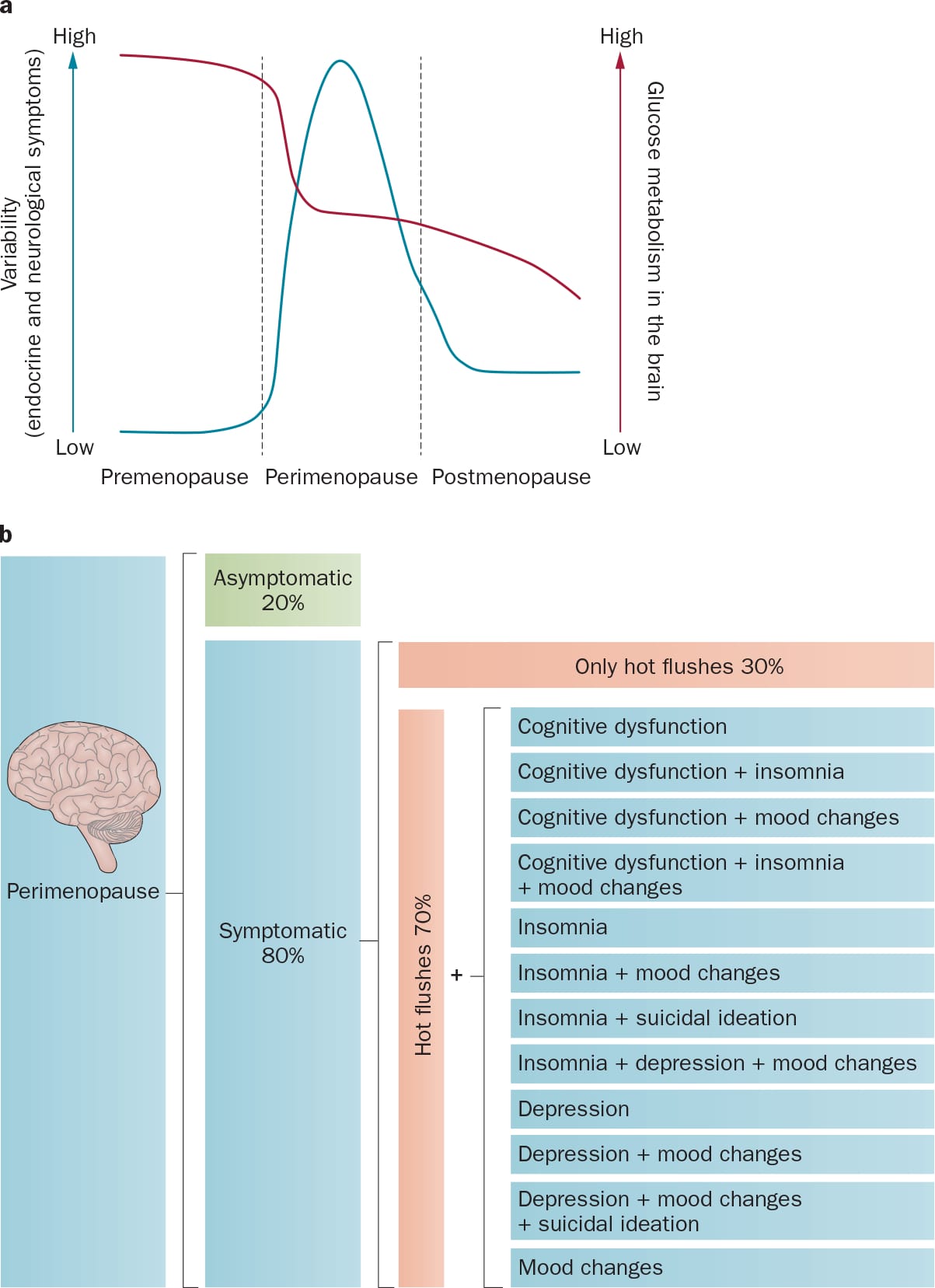
Ballot et al. (2022) tracked 873 women aged 40-60 over five years using repeated measures of sleep quality, insomnia severity, and arousal predisposition. Sleep disturbance peaked in the two years before and after the menopausal transition — a temporal window that coincides with the steepest hormonal fluctuations. Arousal predisposition (a constitutional tendency toward heightened physiological arousal) did not account for this temporal clustering. The data indicate that perimenopause actively elevates the biological arousal set-point rather than unmasking pre-existing arousal vulnerability.
Garcia-Granados et al. (2026) conducted a review of 23 studies examining resting-state EEG across the menstrual cycle. Convergent findings show that estradiol and progesterone fluctuations alter alpha and theta EEG patterns in frontal, parietal, and temporal regions. The progesterone-dominant luteal phase produces higher alpha power — an EEG pattern associated with reduced cortical excitability. When these hormonal oscillations cease in menopause, the electrophysiological conditions that once supported deeper, more consolidated sleep are permanently altered.
Why Does Every Sound Wake You Up Now?
The mechanism behind sound sensitivity during sleep centers on a neurotransmitter called GABA (gamma-aminobutyric acid) and the receptors it binds to in arousal-regulating brain regions.
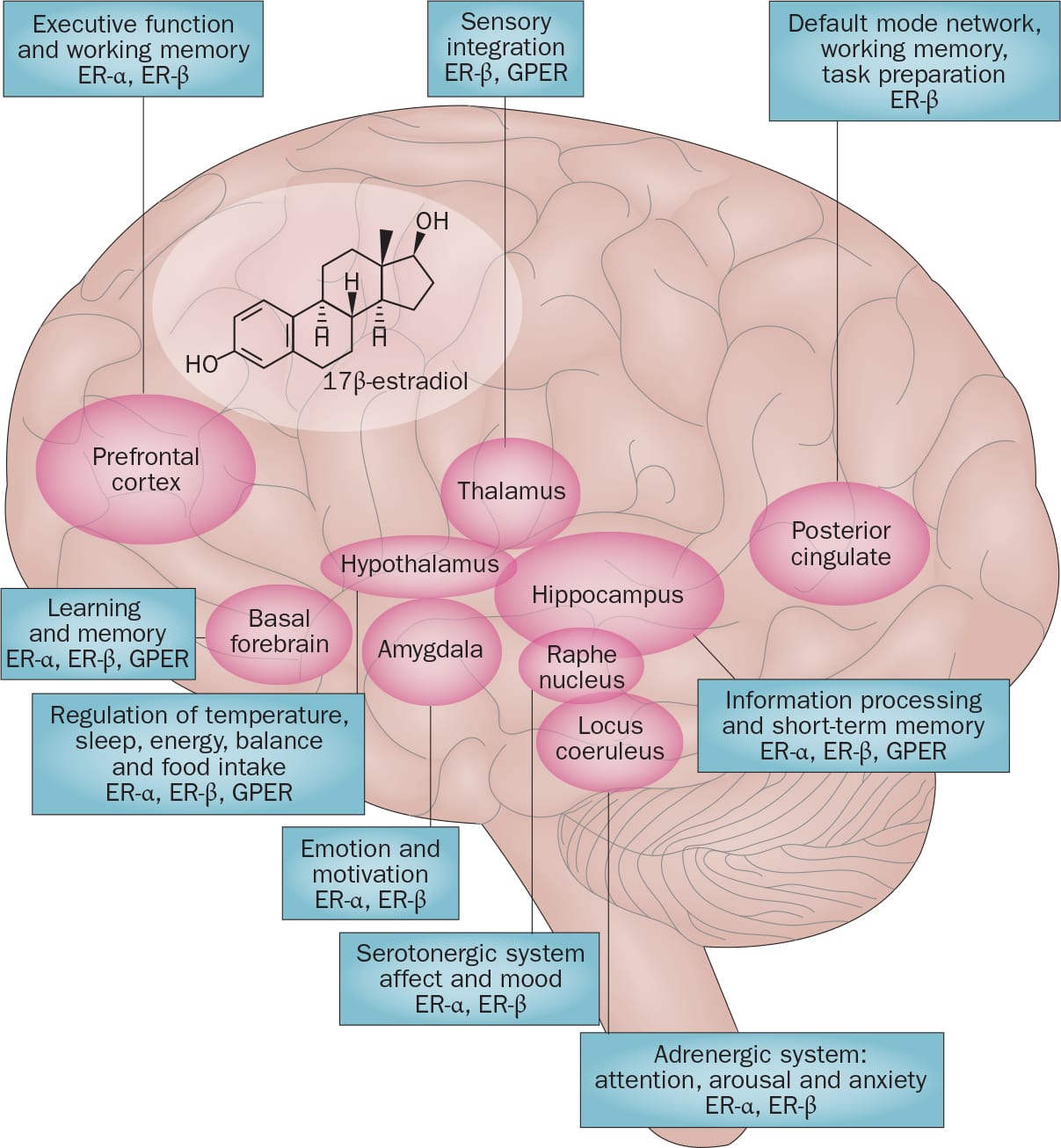
Lancel et al. (1996) established the pharmacology: progesterone metabolites — particularly allopregnanolone — act as positive allosteric modulators of GABA-A receptors. In animal models, progesterone dose-dependently shortened sleep latency, decreased wakefulness, and produced EEG changes closely paralleling benzodiazepine-class sedatives. The sleep effects correlated directly with brain concentrations of GABA-A-active metabolites, providing pharmacokinetic-pharmacodynamic evidence that progesterone’s sleep-promoting properties are mediated by neuroactive steroid action on GABA-A receptors. When progesterone levels decline across the menopausal transition, this is mechanistically equivalent to a form of chronic GABAergic withdrawal.
What does this look like in the sleeping brain? Hairston et al. (2010) measured auditory evoked responses in 18 people with insomnia and 20 good-sleeper controls during sleep. During wakefulness, both groups filtered sounds equally well. During sleep, the insomnia group showed attenuated gating of auditory responses and did not generate stimulus-related K-complexes — the EEG waveform that actively suppresses external sound during NREM sleep. When K-complexes do not occur, sounds that should be filtered instead trigger waking. This is the neurophysiological basis of becoming a “light sleeper”: impaired sensory filtering during sleep.
Baron and Devor (2024) localized this mechanism to a brain region called the mesopontine tegmental anesthesia area (MPTA). Progesterone metabolites suppress arousal in the MPTA through high-affinity extrasynaptic GABA-A receptors containing the delta-subunit. These receptors mediate tonic (continuous) inhibition rather than phasic (brief) inhibition — meaning they continuously suppress arousal-generating circuits in the brainstem. As progesterone and allopregnanolone levels decline, tonic GABAergic suppression of the MPTA is withdrawn, and the brainstem becomes persistently more sensitive to arousing stimuli including sounds and light.
Brinton et al. (2015) characterized perimenopause as a neurological transition state in which estrogen-regulated sensory processing and sleep circuits are among those disrupted. Approximately 80% of women experience neurological and body changes during perimenopause — and the estrogen-sensitive circuits governing sensory processing are among those disrupted during the transition. Sensory processing changes are among the neurological features of perimenopause.
What Makes Perimenopause Light Sleep Different from Regular Insomnia?
This distinction matters because it explains why standard insomnia strategies may not fully address perimenopause-related light sleep.
Maki et al. (2024) reviewed the role of hypothalamic KNDy neurons (kisspeptin/neurokinin B/dynorphin neurons) which integrate thermoregulation and sleep maintenance through a single estrogen-sensitive circuit. Estrogen decline may dysregulate this KNDy pathway, which can contribute to more fragmented sleep. This produces frequent night-time awakenings through a thermoregulatory pathway that standard insomnia approaches do not target. The characteristic pattern — frequent night-time awakenings with increased time awake after sleep onset — is consistent with a lowered arousal threshold rather than difficulty initiating sleep.
Troia et al. (2025) reviewed the evidence on progesterone decline and sleep. Declining progesterone removes its GABA-mediated sleep-promoting and arousal-suppressing effects — mechanistically equivalent to a reduction in endogenous benzodiazepine-like activity. The authors identified a gap: there are no standardized guidelines for managing sleep disruption in perimenopause. Large-scale prospective studies in perimenopausal cohorts are still needed.
The Campbell et al. (2011) EEG data support this distinction from another angle. The beta EEG elevation observed in menopausal transition is present even after accounting for psychological covariates and hot flash frequency — meaning anxiety, depression, and thermoregulatory arousals do not explain it on their own. This electrophysiological pattern represents a distinct hormonal mechanism overlaid on sleep that may coexist with, but is not reducible to, cognitive-behavioral insomnia.
Many people have more than one cause contributing to their sleep disruption. Hormonal changes that increase sound sensitivity and light sleep may compound with autonomic, metabolic, inflammatory, or circadian factors. Identifying which causes might be involved is a useful next step.
Find out which causes might be driving your 3am wakeups →
Frequently Asked Questions
Can Perimenopause Cause You to Hear Every Sound at Night?
K-complexes are the brain’s active suppression response to external acoustic intrusions during NREM sleep. Hairston et al. (2010) found that people with insomnia did not generate these responses, meaning sounds that should be filtered instead trigger cortical arousal and waking. For women in perimenopause, the decline in progesterone-driven GABA-A receptor activation compounds this effect — the brain’s sound-suppression mechanism is weakened at the receptor level, and impaired K-complex generation means individual sounds are more likely to reach conscious awareness.
Does Light Sleep in Perimenopause Get Better After Menopause?
Ballot et al. (2022) found that while sleep disturbance peaked around the menopausal transition, postmenopausal women still reported more severe insomnia and poorer sleep quality than reproductive-stage women. The fluctuations stabilize, but the baseline hormone levels remain low — meaning the GABAergic support for consolidated sleep does not return on its own.
Carmona et al. (2025) reported that sleep changes may even precede the full menopausal transition, with sleep disruption serving as a potential early marker of perimenopause onset. Multiple biopsychosocial risk factors interact with the biological substrate of declining ovarian hormone support and can perpetuate sleep disruption into postmenopause.
Why Is Light Sleep Worse on Some Nights Than Others?
Garcia-Granados et al. (2026) documented that estradiol and progesterone produce opposing and measurable effects on cortical oscillatory patterns. High-progesterone phases produce higher alpha power — the EEG signature of reduced cortical excitability. Low-progesterone phases produce the opposite pattern for alpha power. During perimenopause, when progesterone levels become erratic and unpredictable, these oscillatory patterns fluctuate accordingly. The night-to-night variability in sleep depth maps onto hormonal variability that standard blood tests taken at a single time point may not capture.
For a deeper look at why perimenopause insomnia follows a wave pattern — appearing and disappearing without obvious cause — see Can Insomnia Be the First Sign of Perimenopause — Even Without Hot Flashes?.
Is There a Way to Measure How Light Your Sleep Has Become?
The Campbell et al. (2011) study used polysomnography with EEG spectral analysis ? the gold standard for measuring sleep-state cortical arousal. Beta EEG power (16-32 Hz) served as the biomarker for cortical arousal, and this measure detected differences across menopausal stages that conventional sleep architecture metrics (total sleep time, sleep efficiency, wake after sleep onset) did not capture. This helps explain why many women report deteriorating sleep quality while their sleep tracker numbers look acceptable: the tracker measures time in each stage, while cortical arousal can be happening within those stages.
Consumer wearables and ring-based trackers provide useful trend data for identifying night-to-night variability, but they cannot measure the K-complex and sensory gating parameters that define the light-sleeper phenotype.
Does Progesterone Supplementation Help with Light Sleep in Perimenopause?
Troia et al. (2025) reviewed evidence that progesterone’s neuroactive metabolite allopregnanolone is a potent positive allosteric modulator of GABA-A receptors — meaning exogenous micronized progesterone can partially restore the GABAergic activity that natural progesterone decline removes. The sedative properties are well-documented, and the greatest sleep improvements tend to appear in women with the worst baseline disruption.
What has not been directly tested is whether supplemental progesterone restores the sensory gating function — the K-complex responses and brainstem MPTA tonic inhibition — that underlies the light-sleeper phenotype. The mechanism is plausible given the receptor pharmacology, but the direct trial evidence for sound-filtering restoration does not yet exist.
For a detailed review of progesterone supplementation and sleep, see Does Progesterone Help You Sleep?.
Related Reading
- Hormonal Women Sleep Disruption — Parent guide to how estrogen, progesterone, cortisol, temperature, melatonin, and cycle changes interact with sleep.
- Can Insomnia Be the First Sign of Perimenopause, Even Without Hot Flashes? — How insomnia can appear before hot flashes or cycle changes when early perimenopause alters progesterone and sleep maintenance.
- Why Are Your Blood Tests Normal When Perimenopause Is Disrupting Your Sleep? — Why fluctuating FSH and estradiol can make perimenopause sleep disruption hard to capture with one blood draw.
- Why Did Your Sleep Medication Stop Working During Menopause? — Why sedating medication may stop matching the sleep-maintenance pattern common in menopause insomnia.
- How Long Does Menopause Insomnia Last? — Sleep disruption across perimenopause, menopause, and postmenopause, including stage-specific contributors.
- What Supplements Have Evidence for Menopause Insomnia? — Supplement options for menopause insomnia by evidence, mechanism, and limits.
References
1. Brinton, R. D., Yao, J., Yin, F., Mack, W. J., & Cadenas, E. (2015). Perimenopause as a neurological transition state. Nature Reviews Endocrinology, 11(7), 393–405. https://pubmed.ncbi.nlm.nih.gov/26007613/
2. Lancel, M., Faulhaber, J., Holsboer, F., & Rupprecht, R. (1996). Progesterone induces changes in sleep comparable to those of agonistic GABAA receptor modulators. The American Journal of Physiology, 271(4 Pt 1), E763–E772. https://pubmed.ncbi.nlm.nih.gov/8897866/
3. Campbell, I. G., Bromberger, J. T., Buysse, D. J., Hall, M. H., Hardin, K. A., Kravitz, H. M., Matthews, K. A., Rasor, M. O., Utts, J., & Gold, E. (2011). Evaluation of the association of menopausal status with delta and beta EEG activity during sleep. Sleep, 34(11), 1561–1568. https://pubmed.ncbi.nlm.nih.gov/22043127/
4. Hairston, I. S., Talbot, L. S., Eidelman, P., Gruber, J., & Harvey, A. G. (2010). Sensory gating in primary insomnia. The European Journal of Neuroscience, 31(11), 2112–2121. https://pubmed.ncbi.nlm.nih.gov/20529120/
5. Ballot, O., Ivers, H., Ji, X., & Morin, C. M. (2022). Sleep disturbances during the menopausal transition: The role of sleep reactivity and arousal predisposition. Behavioral Sleep Medicine, 20(4), 500–512. https://pubmed.ncbi.nlm.nih.gov/34176385/
6. Troia, L., Garassino, M., Volpicelli, A. I., Fornara, A., Libretti, A., Surico, D., & Remorgida, V. (2025). Sleep disturbance and perimenopause: A narrative review. Journal of Clinical Medicine, 14(5), 1479. https://pubmed.ncbi.nlm.nih.gov/40094961/
7. Maki, P. M., Panay, N., & Simon, J. A. (2024). Sleep disturbance associated with the menopause. Menopause, 31(8), 724–733. https://pubmed.ncbi.nlm.nih.gov/38916279/
8. Baron, M., & Devor, M. (2024). Neurosteroids foster sedation by engaging tonic GABAA-Rs within the mesopontine tegmental anesthesia area (MPTA). Neuroscience Letters, 843, 138030. https://pubmed.ncbi.nlm.nih.gov/39490574/
9. Garcia-Granados, M. D., Cruz-Aguilar, M. A., Hernandez-Lopez, L. E., Mondragon-Ceballos, R., Martinez-Mota, L., Rivera-Garcia, A. P., & Ramirez-Salado, I. (2026). A systematic review of resting-state EEG across the menstrual cycle and its mental health relevance. Archives of Women’s Mental Health, 29(1), 28. https://pubmed.ncbi.nlm.nih.gov/41612075/
10. Carmona, N. E., Solomon, N. L., & Adams, K. E. (2025). Sleep disturbance and menopause. Current Opinion in Obstetrics & Gynecology, 37(2), 75–82. https://pubmed.ncbi.nlm.nih.gov/39820156/
Written by Kat Fu, M.S., M.S. · Last reviewed: April 5, 2026 · 10 references cited