
Get Ahead of Aging, by Rebuilding Your Sleep First.
Get my free 5-Part Sleep Clarity Masterclass to understand why you wake at 3–4 a.m.—and what to do instead of more sleep hygiene.
I’m not getting those fully alert stretches between bedtime & 3 a.m. anymore, that’s definitely moving in the right direction…really happy I’ve stopped using THC products for sleep and and I’m not feeling that my sleep is so splintered.
20+
Years of experience in health optimization
20,000+
Community members & subscribers
90%
Clients Reporting Better Sleep Continuity
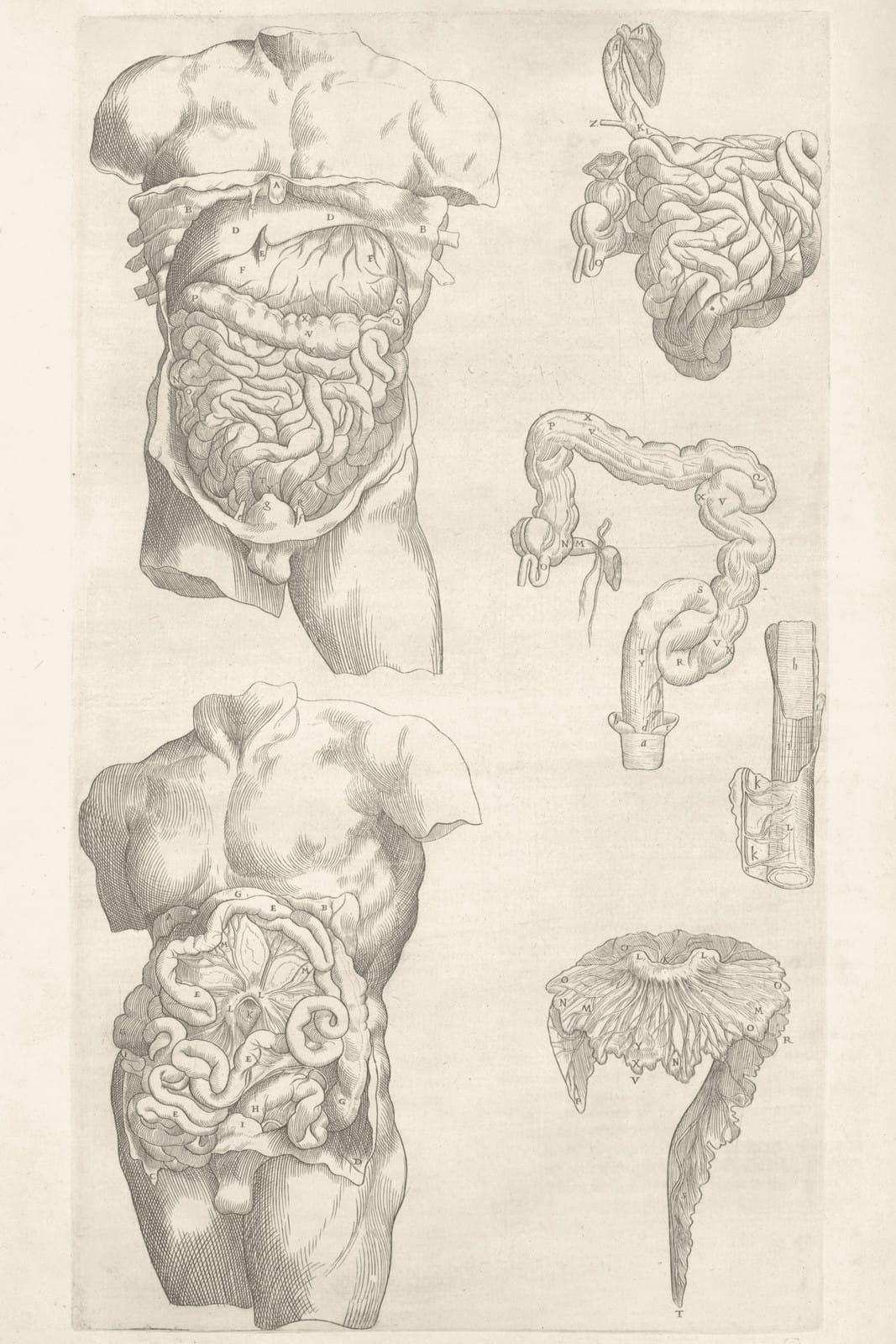
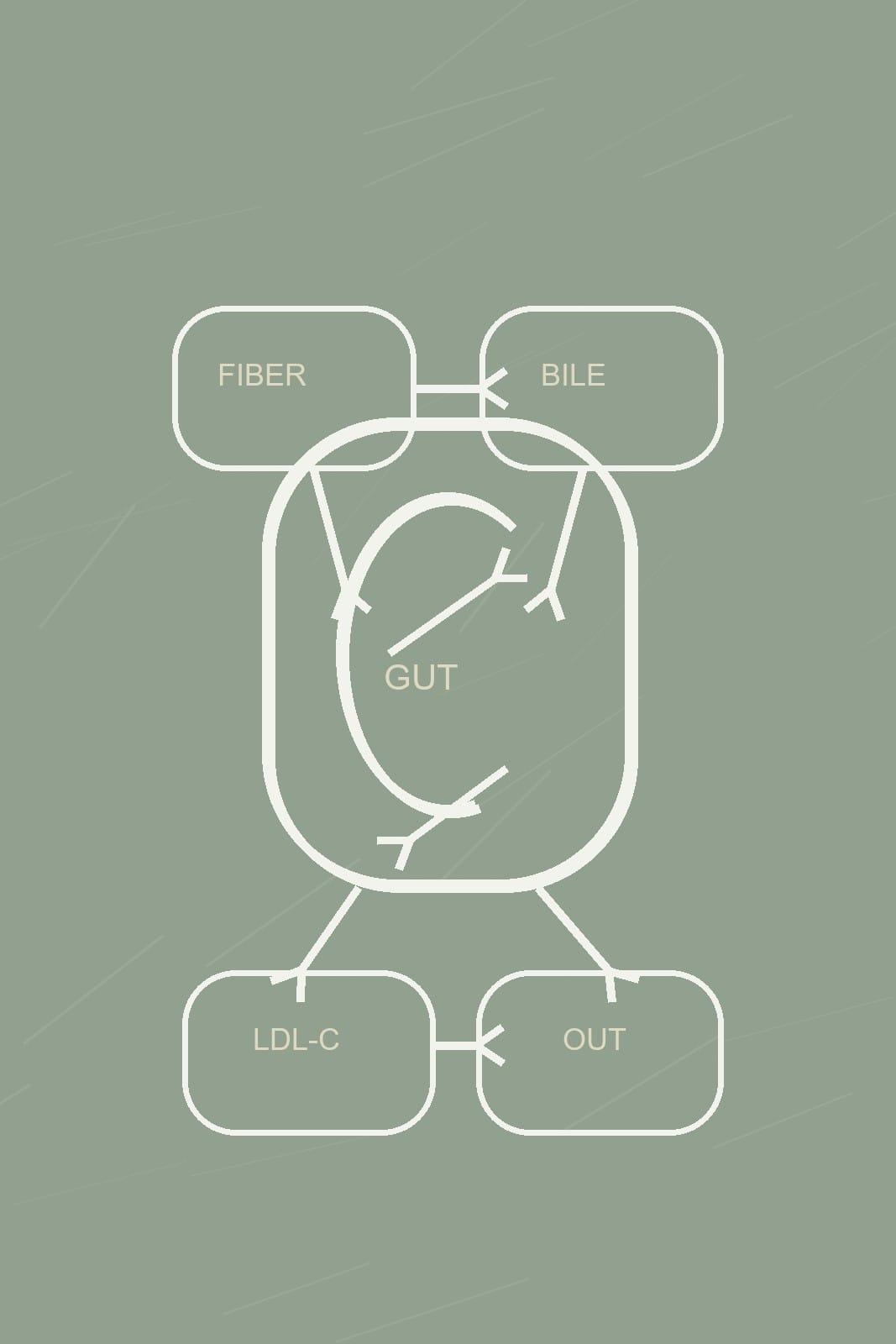
LDL-C, APOB & GUT HEALTH
When LDL-C stays high despite healthy diet and exercise
If LDL-C, ApoB, or high cholesterol still runs higher than planned, the next question is what else may be affecting the numbers.
Gut health can be part of cholesterol handling. The Gut-LDL-C Blueprint is a self-paced guide for people who want to lower LDL naturally, understand the gut-liver side of cholesterol, and get more context before or alongside a statin conversation.
Thank you so much, Kat. You have captured such a good understanding of my situation and your recommendations are absolutely on target. You are superb in what you do and I am looking forward to putting things into action. One step at a time. I’ll let you know how I progress.
— Tim R., 1-1 & Sleep OS, Resolving Early Wakeups
age better with better sleep
Sleep recovery to support body and brain
Accelerated Aging Risks, Personalized Fixes
Accelerated aging is essentially a mismatch problem: your cells & tissues are experiencing more wear than repair. That mismatch comes from small, repeated choices around exposure profiles, stress patterns, and nutritional decisions that increase wear.
Over years, it shifts systems onto a steeper decline curve.
Kidney stone formation is an example of accelerated aging in the kidney system—years of micro-injury that cross a threshold. We help you identify that kind of pattern before it reaches that point.
The Kidney Stone Prevention & Risk Reduction System is built as a personalized tool for slowing kidney-specific aging.
02.
Cognitive & Performance Longevity
Sleep is the foundation of cognitive aging, yet most people misunderstand why it deteriorates with age.
The issue is infrequently bad sleep hygiene alone—it’s physiology adapting to midlife hormone transitions.
Sleep OS: Hormones helps you recognize your pattern within this transition. It connects your nightly symptoms to the biological processes influencing them. With that clarity, you follow a targeted & personalized framework to improve sleep continuity (without relying on costly hormone panels, medications or more supplements).
The result is deeper, more continuous sleep that protects cognitive function into later decades.
03.
Personalized Longevity Roadmap
A universal longevity blueprint cannot account for your baseline, constraints (& preferences). What helps is a clear, personalized sequence of actions that fits how you live now, what you want to address, and where you want to be in 20-30 years.
We translate complex longevity science into structured tools that help you prioritize by your health data—your sleep, your energy profile, your labs.
Every Vault program & tool is designed to adapt to you: decision paths, audits, and assessments help you choose the right starting point, focus on the highest-yield levers first, and update your plan as your data changes.
The result is a personalized roadmap that concentrates your effort on what will move the needle for you—while preserving scientific rigor.
Guided by Kat Fu
Kat Fu is a longevity educator with two master’s degrees and ~20 years of experience in health optimization. Inside The Longevity Vault, she acts as a mentor and translator—turning dense research and complex lab data into clear, practical frameworks you can actually use.
Want to see the longevity programs & tools she has built? Explore Vault Longevity Systems & Tools
20 Years of Experience
~20 years of health optimization & sleep recovery—now structured for independent implementation.
Mechanism-First Approach
Understand why your sleep fragmented before choosing interventions. Root cause identification, not symptom management.
Self-Directed, Personalized Implementation
Structured longevity programs & tools designed for independent execution.
No coaching, prescriptions or ongoing membership required—just frameworks and decision trees.
Address the physiology behind lighter, Fragmented sleep after Midlife
Targeted solutions for 5–6-hour sleep and 3 a.m. wakeups beyond sleep hygiene.
Increased energy levels as a result of proper dietary changes, increased vegetable and protein intake, and a proper sleep routine. Productivity also increased as a result …
— Sam W., IBS Recovery Journey
Within 1-2 days Kat provided a summary of my sleep issues, likely causes and practical suggestions on ways to fix them. Weeks later, I’m still maintaining these changes. I can’t recommend Kat enough.
— Eric K., Health Entrepreneur

poor sleep is now linked to with faster epigenetic aging
Is Your Sleep Accelerating Aging—or Protecting You From It?
Two individuals can follow the same health rules and age very differently. One wakes rested and stays mentally sharp. The other drifts through the day on low power despite similar habits.
The difference is whether their sleep architecture is protecting the brain and body—or slowly amplifying wear and tear.
The Longevity Vault helps you move from the first pattern to the second by treating sleep as a core aging system, not an afterthought.
Can’t Sleep More Than 5-6 Hours A night?
Join for evidence-based sleep and aging insights, including client examples of going from short, fragmented sleep to full, continuous sleep windows.