

More than 70% of women in the menopausal transition experience musculoskeletal pain — joint stiffness, aching hips, shoulders that throb at 2am (Wright et al. 2024). Many women describe lying awake repositioning every hour, or assuming they need a joint replacement before anyone connects the pain to menopause.
This article covers why menopause joint pain worsens at night, the estrogen-inflammation-collagen pathway behind it, and the bidirectional pain-sleep cycle that keeps it going. It does not cover the full range of hormonal sleep disruption causes. Joint pain is one of several body-level sleep disruptors during menopause. For the complete overview of hormonal sleep disruption mechanisms, see Hormonal Sleep Disruption in Women.
Why Does Joint Pain Get Worse at Night During Menopause?
During the day, cortisol suppresses inflammatory activity in joint tissue — it reduces the production and activity of proinflammatory cytokines that drive pain, swelling, and stiffness. When cortisol reaches its overnight nadir — typically between midnight and 4am — that suppression lifts. For premenopausal women, this change is minor. For menopausal women, it exposes joints to an inflammatory load that is already running high.
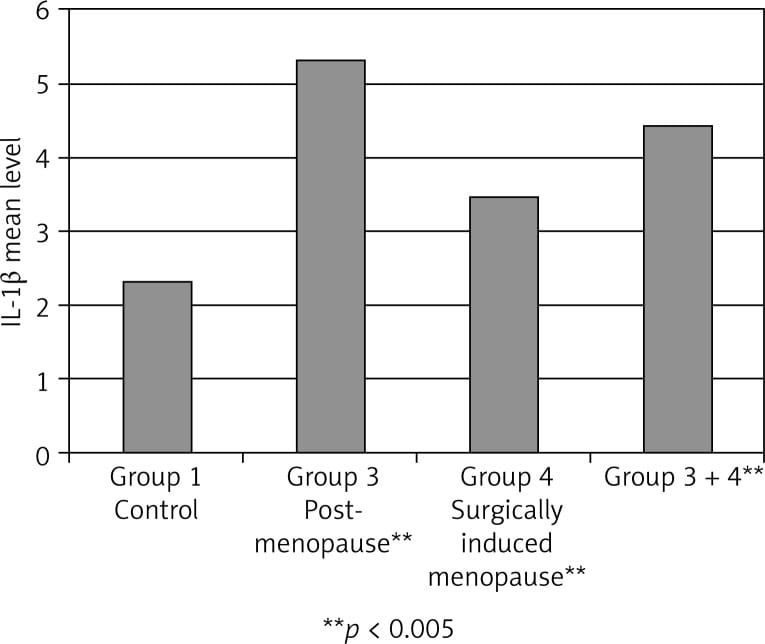
Malutan et al. (2014) measured 11 cytokines in 175 women across menopausal stages and found that postmenopausal women had IL-1-beta, IL-8, and TNF-alpha elevated compared to fertile women, with IL-8 serum levels in postmenopausal and surgically menopausal women reaching concentrations similar to those reported in chronic inflammatory disease cohorts. At the same time, the anti-inflammatory cytokine IL-20 was reduced in postmenopausal women compared to fertile and premenopausal groups. This is a dual change: more inflammation and less counter-regulation.
Estrogen plays a direct role in joint protection beyond its effects on whole-body inflammation. Estrogen receptors exist in synovial tissue (the membrane lining joints) and in chondrocytes (the cells that maintain cartilage). When estrogen declines, those local protective effects decline with it (Magliano 2010). Joints lose both a whole-body anti-inflammatory buffer and a local maintenance input at the same time.
The combination is what makes nighttime pain predictable: a body carrying elevated inflammatory cytokines from estrogen loss meets the normal overnight cortisol dip — and joints bear the full inflammatory load during the hours when you are trying to sleep.
Is Menopause Joint Pain Inflammatory?
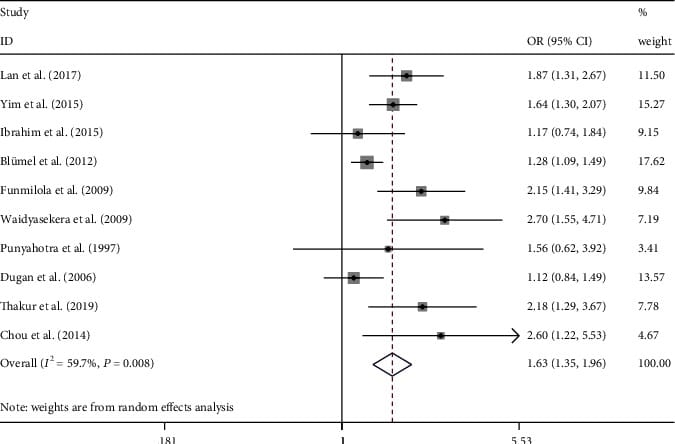
This is not “just aging.” A 2020 meta-analysis of 16 studies found that 71% of perimenopausal women experience musculoskeletal pain, with odds 63% higher than premenopausal women of the same age range (Lu et al. 2020). The risk was comparable between perimenopausal and postmenopausal groups (OR 1.07), meaning pain burden plateaus after the final menstrual period rather than continuing to escalate — consistent with a hormonal trigger rather than progressive age-related wear.
Estrogen protects joints through at least three converging pathways: direct modulation of pain-processing neurons, immunomodulatory effects on synovial immune cells, and maintenance of cartilage through estrogen receptors on chondrocytes (Magliano 2010). When estrogen declines, all three pathways weaken at once.
Wright et al. (2024) proposed recognizing this cluster as a unified condition — the “musculoskeletal syndrome of menopause” — affecting over 70% of the 47 million women entering menopause annually, with 25% reporting associated disability. The naming matters because it reframes the conversation from “separate complaints that happen to coincide” to a single hormonal mechanism producing interconnected outcomes: joint pain, fatigue, sleep disruption, and sexual discomfort share a root cause.
One direct piece of evidence for the estrogen-joint pain link comes from breast cancer care. Women placed on aromatase inhibitors — drugs that suppress residual estrogen production — develop acute-onset joint pain from rapid estrogen withdrawal. The timing and pattern match menopausal arthralgia, supporting a causal relationship rather than correlation (Magliano 2010).
Does Poor Sleep Make Menopause Joint Pain Worse?
Strand et al. (2025) noted that sleep disturbances may exacerbate the perception of pain during menopause — and that pain in turn fragments sleep. This creates a self-reinforcing cycle with measurable consequences.
The SWAN Sleep Study provided some of the strongest evidence. Kravitz et al. (2015) tracked 314 midlife women with wrist actigraphy across up to 27 consecutive nights. Higher nighttime pain severity was associated with reduced sleep efficiency. One counterintuitive finding: women with more pain showed paradoxically longer total sleep duration — but without restorative benefit. They were spending more time in bed compensating for fragmented, poor-quality sleep rather than getting more recovery.
Collagen repair matters here. Deep slow-wave sleep is when growth hormone secretion peaks, driving collagen synthesis and repair in cartilage, tendons, and ligaments. When pain fragments sleep and reduces time in deep sleep, less overnight repair occurs in the joint tissues under the greatest load. Estrogen loss already reduces collagen production capacity. Poor sleep reduces the repair window. The joint takes a double hit.
The self-reinforcing cycle works like this: joint inflammation produces pain, pain fragments sleep, fragmented sleep elevates inflammatory cytokines and reduces tissue repair time, and the net effect is worse joint inflammation the following night. Troia et al. (2025) reported that 80-90% of women experience the broader perimenopause transition, and noted that hormonal fluctuations, vasomotor episodes, and circadian disruption all contribute to the sleep disturbance burden during this period.
This bidirectional loop is the article’s core point. Pain at night is not a bedtime inconvenience — it degrades the repair processes that would make tomorrow’s pain less severe.
Does Estrogen Decline Affect Collagen and Joint Health?
Estrogen receptors exist in chondrocytes, synovial cells, tendons, and ligaments. Estrogen is not a peripheral contributor to joint health — it is part of the maintenance infrastructure. When levels decline during the menopausal transition, the structural components of joints lose a direct production cue for collagen and other matrix proteins.
The WHI trial — a randomized controlled study of 10,739 postmenopausal women — found that estrogen therapy reduced joint pain frequency compared to placebo (76.3% vs. 79.2%; p=0.001), with the reduction persisting through year three of follow-up (Chlebowski et al. 2013). This is large-scale causal evidence that exogenous estrogen has a measurable effect on postmenopausal joint pain.
The 2026 Yakumo study added another dimension. Tanaka et al. (2026) compared postmenopausal women by the timing of their menopause and found that women with premature ovarian insufficiency (menopause before age 40) had worse knee osteoarthritis and higher rates of neuropathic pain than women with standard-timing menopause. Duration of estrogen deprivation compounds the structural damage — the longer joints go without estrogen support, the more cartilage degradation accumulates.
A 2025 meta-analysis of 57 studies and 4.0 million participants examined HRT’s effect on musculoskeletal pain more broadly and found a pooled null result for generalized musculoskeletal pain (Overton et al. 2025). The authors cautioned that this should not be read as “HRT does not help joints” — the null result reflects the heterogeneity across studies in HRT type, dose, route, and duration. The evidence is not negative; it is insufficiently standardized to detect an effect at the pooled level.
Why does collagen loss matter for nighttime pain? Joints with reduced cartilage and less synovial fluid generate more mechanical pain during hours of immobility at night. Without regular movement to distribute synovial fluid, joint surfaces experience more friction and pressure — and the first movement after hours of stillness produces that characteristic morning stiffness many menopausal women recognize.
Hormonal joint pain is one of several pathways that might be disrupting sleep during menopause. The inflammatory cycle, collagen loss, and cortisol rhythm might compound with other causes — vasomotor episodes, progesterone decline, cortisol amplification, and circadian disruption. Identifying which causes might be active in your pattern is a useful next step.
Find out which causes might be driving your 3am wakeups →
Frequently Asked Questions
What Is Musculoskeletal Syndrome of Menopause?
The syndrome reframes these experiences as hormonal rather than age-related. Over 70% of the 47 million women entering menopause annually experience musculoskeletal changes, and 25% report associated disability. Addressing one component in isolation — such as bone density without addressing joint pain — leaves much of the burden unaddressed. The naming matters because it changes whether the conversation centers on a shared cause or manages each complaint separately.
Can Menopause Cause Body Aches That Affect Sleep?
The aches are driven by the same estrogen-inflammatory mechanism that affects individual joints, but experienced more diffusely as generalized body pain. The SWAN actigraphy data is useful here because it provides objective measurement — not self-report alone — showing that pain severity maps directly to measurable sleep quality reduction across multiple nights.
Why Does Hip Pain Get Worse at Night During Menopause?
Gluteal tendinopathy — degeneration of the tendons connecting the gluteal muscles to the hip — is the leading cause of lateral hip pain in postmenopausal women and is directly linked to estrogen decline (Wright et al. 2024). Many women assume they need a hip replacement before anyone connects the pain to hormonal changes. A pillow between the knees reduces trochanteric compression during side-sleeping. Avoiding sleeping on the affected hip, when possible, reduces direct pressure on the inflamed tendon.
Is Insomnia Caused by Menopause Joint Pain?
This distinction matters for women who do not experience hot flashes but still cannot sleep — joint pain may be the primary driver. For the full map of hormonal sleep disruption causes, see Hormonal Sleep Disruption in Women.
What Helps Joint Pain at Night During Menopause?
Upstream: hormone therapy addresses the root estrogen deficiency — see Does HRT Help with Sleep in Menopause? for the evidence on that pathway. Midstream: anti-inflammatory strategies targeting the cytokine burden (IL-6, TNF-alpha) through diet, movement, and targeted supplementation where evidence supports it. Downstream: sleep positioning adjustments — pillow between the knees for hip pain, supportive mattress for shoulder pain. Resistance training and low-impact movement reduce stiffness and support collagen maintenance. Gentle movement before bed and heat therapy are frequently reported as helpful by women managing nighttime joint pain.
What Type of Joint Pain Is Caused by Menopause?
A distinctive feature is “wandering pain” that moves between joints rather than remaining fixed in one location. Stiffness on waking and after prolonged sitting is characteristic. The pattern resembles rheumatoid arthritis in its morning stiffness but lacks the autoimmune markers. This overlap can lead to misidentification — blood work for autoimmune arthritis often comes back normal, and the joint pain gets attributed to aging rather than to the hormonal change producing it.
Does Menopause Cause Inflammation That Disrupts Sleep?
Sleep disruption and this inflammatory state reinforce each other. Poor sleep raises inflammatory markers independently, and elevated inflammation fragments sleep through pain-driven arousal and direct effects on sleep-regulating brain circuits. The dual problem — estrogen loss driving up baseline inflammation, and sleep loss further amplifying it — explains why joint pain during menopause tends to worsen over time rather than stabilize, when sleep quality remains poor.
Related Reading
- Hormonal Women Sleep Disruption — Parent guide to how estrogen, progesterone, cortisol, temperature, melatonin, and cycle changes interact with sleep.
- Could Sleep Apnea Be Behind Your Menopause Insomnia? — How sleep apnea in women can present as insomnia, fatigue, morning headaches, and repeated awakenings around menopause.
- Why Does One Glass of Wine Ruin Your Sleep During Menopause? — Why alcohol can fragment REM sleep, increase cortisol rebound, and worsen night sweats during menopause.
- Why Does Perimenopause Give You Nightmares That Disrupt Your Sleep? — How REM fragmentation, awakenings, and estrogen-linked emotional reactivity can increase dream recall and nightmares in perimenopause.
- Why Do Restless Legs Get Worse in Perimenopause? — How estrogen, dopamine, iron status, and heavy bleeding connect to restless legs that disturb sleep in perimenopause.
- Why Does Menopause Make You Wake Up to Pee at Night? — How estrogen decline can affect bladder tissue, antidiuretic hormone rhythm, nighttime urine production, and sleep fragmentation.
- Why Does Your Skin Crawl at Night During Perimenopause? — Formication, itching, histamine timing, skin-barrier changes, and sensory nerve changes that can disturb sleep.
References
1. Chlebowski, R. T., Cirillo, D. J., Eaton, C. B., Stefanick, M. L., Pettinger, M., Carbone, L. D., Johnson, K. C., Simon, M. S., Woods, N. F., & Wactawski-Wende, J. (2013). Estrogen alone and joint symptoms in the Women’s Health Initiative randomized trial. Menopause (New York, N.Y.), 20(6), 600-608. https://pubmed.ncbi.nlm.nih.gov/23511705/
2. Kravitz, H. M., Zheng, H., Bromberger, J. T., Buysse, D. J., Owens, J., & Hall, M. H. (2015). An actigraphy study of sleep and pain in midlife women: the Study of Women’s Health Across the Nation Sleep Study. Menopause (New York, N.Y.), 22(7), 710-718. https://pubmed.ncbi.nlm.nih.gov/25706182/
3. Lu, C. B., Liu, P. F., Zhou, Y. S., Meng, F. C., Qiao, T. Y., Yang, X. J., Li, X. Y., Xue, Q., Xu, H., Liu, Y., Han, Y., & Zhang, Y. (2020). Musculoskeletal Pain during the Menopausal Transition: A Systematic Review and Meta-Analysis. Neural plasticity, 2020, 8842110. https://pubmed.ncbi.nlm.nih.gov/33299396/
4. Magliano, M. (2010). Menopausal arthralgia: Fact or fiction. Maturitas, 67(1), 29-33. https://pubmed.ncbi.nlm.nih.gov/20537472/
5. Malutan, A. M., Dan, M., Nicolae, C., & Carmen, M. (2014). Proinflammatory and anti-inflammatory cytokine changes related to menopause. Przeglad menopauzalny, 13(3), 162-168. https://pubmed.ncbi.nlm.nih.gov/26327849/
6. Overton, R., Amini, P., Chew, A., Babatunde, O., Mason, K. J., Rathod, S., Welsh, V., & Burton, C. (2025). The effect of hormone replacement therapy on musculoskeletal pain in menopausal women: A systematic review and meta-analysis. Post Reproductive Health, 20533691251403087. https://pubmed.ncbi.nlm.nih.gov/41344380/
7. Strand, N. H., D’Souza, R. S., Gomez, D. A., Whitney, M. A., Attanti, S., Anderson, M. A., Moeschler, S. M., Chadwick, A. L., & Maloney, J. A. (2025). Pain during menopause. Maturitas, 191, 108135. https://pubmed.ncbi.nlm.nih.gov/39500125/
8. Tanaka, S., Osawa, Y., Funahashi, H., Ido, H., Takegami, Y., Nakashima, H., Ishizuka, S., Seki, T., Hasegawa, Y., & Imagawa, S. (2026). Impact of timing of menopause on musculoskeletal disorders and associated pain in community-dwelling women: the Yakumo study. International Orthopaedics, 50(5), 973-980. https://pubmed.ncbi.nlm.nih.gov/42024254/
9. Troia, L., Garassino, M., Volpicelli, A. I., Fornara, A., Libretti, A., Surico, D., & Remorgida, V. (2025). Sleep Disturbance and Perimenopause: A Narrative Review. Journal of Clinical Medicine, 14(5), 1479. https://pubmed.ncbi.nlm.nih.gov/40094961/
10. Wright, V. J., Schwartzman, J. D., Itinoche, R., & Wittstein, J. (2024). The musculoskeletal syndrome of menopause. Climacteric, 27(5), 466-472. https://pubmed.ncbi.nlm.nih.gov/39077777/
Written by Kat Fu, M.S., M.S. · Last reviewed: June 26, 2026 · 10 references cited