
Municipal water meets federal safety thresholds, but those thresholds are set to prevent acute bacterial risks—not to reduce long-term exposure to contaminants linked to oxidative stress, inflammation, and accelerated aging. Water exposure isn’t limited to what’s in your glass: cooking, showering, and steam inhalation all contribute to total daily contact with whatever’s in the water.
- Glyphosate—classified as a probable human carcinogen by the WHO—was detected in 70% of California adults (2014–2016) and 93% of pregnant women in some U.S. regions, including among people eating primarily organic food
- The EPA reports more than 9 million lead pipes still in use in the U.S.; municipalities have until 2034 to remove them under the Lead and Copper Rule
- Standard water testing is incomplete: you can only test for contaminants you specifically request, thousands of industrial chemicals and pharmaceuticals lack standardized tests, and legal limits are calibrated for short-term exposure rather than long-term cellular health
- A 2023 study detected microplastics in nearly every major bottled water brand tested; the Environmental Working Group found more than 100 million Americans have tap water containing PFAS (“forever chemicals”)
- A two-tier filtration approach—whole house carbon filter plus under-sink reverse osmosis—addresses both drinking water and whole-home exposure from showers and cooking steam
The best water for longevity is clean and completely free from all chemicals—known, unknown, and future contaminants. Filtered water via activated carbon or reverse osmosis (RO) removes water toxins like chlorine, fluoride, and heavy metals, reducing inflammation and accelerated aging.
Despite knowing this, I overlooked my own water quality for years.
Get Weekly Insights to Personalize Your Own Longevity Roadmap
How Can You Build a Filtration Approach to Remove Water Contaminants?
—and why it took me so long to make this a priority.
I’ll be honest—after 15+ years of optimizing my health & longevity, this is the first time I’ve properly addressed my water quality.
Are you noticing signs that your body is aging faster than you are?
Maybe your skin feels drier, your energy isn’t what it used to be, or you just don’t feel as sharp. Water plays a bigger role than most people realize. Beyond just hydration, the right water—or the wrong water—affects everything from detoxification and inflammation to how well your cells function.
But with so many options—spring, tap, bottled, filtered, distilled, alkaline—it’s overwhelming to figure out:
What is the best water to drink for longevity and to prevent accelerated aging?
In this article, we’ll break down the science behind different types of water, identify the hidden contaminants that could be harming you, and help you choose the best water for your longevity.
Table of Contents
Why Doesn’t Municipal Water Safety Equal Longevity Optimization?
It’s surprising how long I ignored this, considering I’ve lived in places with some of the worst city water.
The municipal water I’ve had for the last six years isn’t technically terrible by regulatory standards—but that doesn’t mean it’s good for longevity.
Most people already suspect that tap water isn’t ideal, but few realize just how much it contributes to accelerated aging. Municipal water treatment is designed to prevent immediate health risks—like bacterial infections—not to minimize long-term exposure to toxins that chip away at cellular health.
Some of the overlooked risks include:
- Accelerated aging due to oxidative stress from contaminants
- Impaired cognitive function from heavy metal exposure
- Increased chronic disease risk due to chronic inflammation and long-term toxin accumulation
Get Weekly Insights to Personalize Your Own Longevity Roadmap
Even if the water leaving a treatment plant meets federal safety thresholds, that says nothing about what happens on its way to your home. Older infrastructure means many homes still have outdated plumbing, and millions of old service lines contain lead pipes that leach into drinking water.
- According to the EPA, the U.S. has more than 9 million lead pipes still in use.
- Under the Lead and Copper Rule, municipalities have until 2034 to remove them.
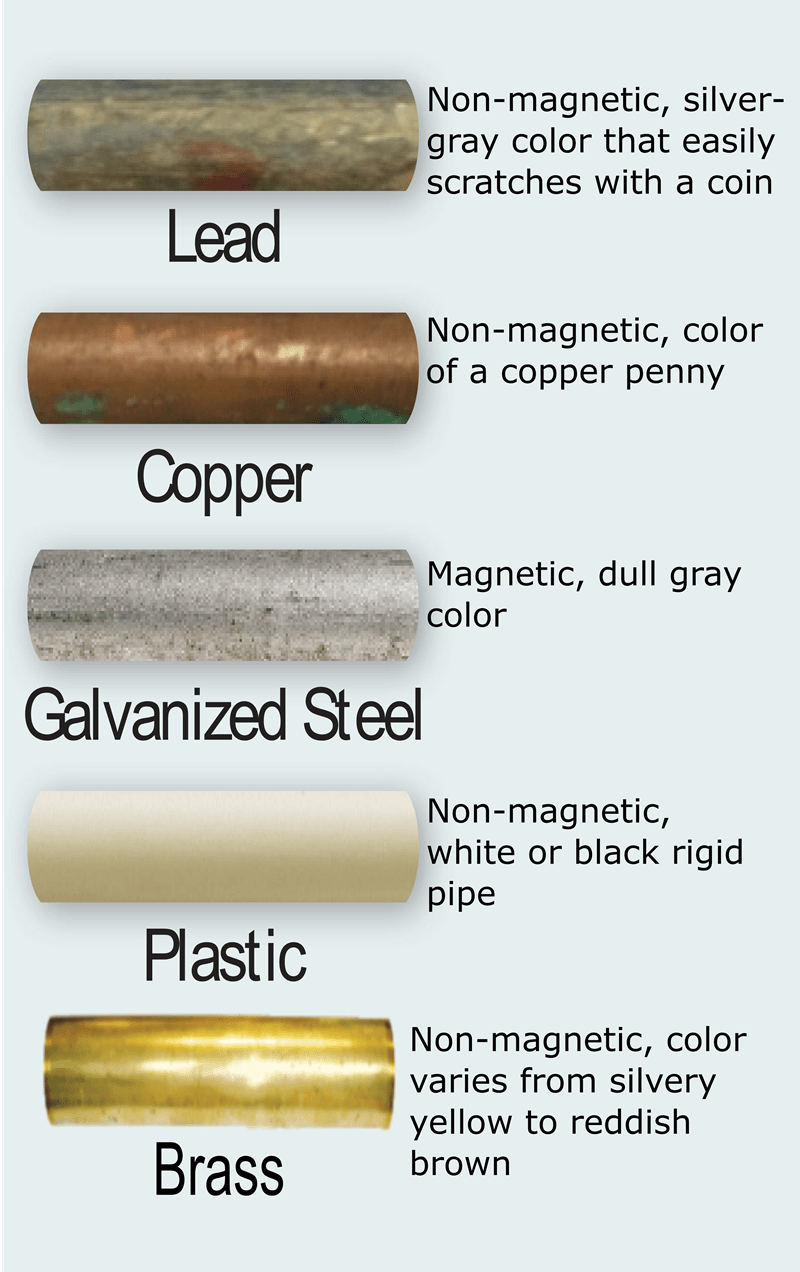
- What do lead pipes look like? They often have a dull grayish color, and if scratched, they have a shiny metal underneath.
- The cost to replace lead pipes in a home varies based on location, but estimates range from $2,000 to $15,000 depending on the length and complexity of the plumbing.
What Contaminants in Tap Water May Contribute to Accelerated Aging?
Beyond concerns over pipe contamination, municipal water is also heavily treated with chemicals to make it “safe.”
While these disinfectants eliminate harmful pathogens, they also introduce water treatment chemicals that can form harmful byproducts.
- Chlorine & chloramine → Kill bacteria but react with organic matter, forming disinfection byproducts (DBPs) linked to oxidative stress & cancer.
- Nitrates – Often introduced through agricultural runoff. High levels in drinking water are linked to health risks, making it essential to remove nitrates from water using reverse osmosis water filter or ion exchange filtration.
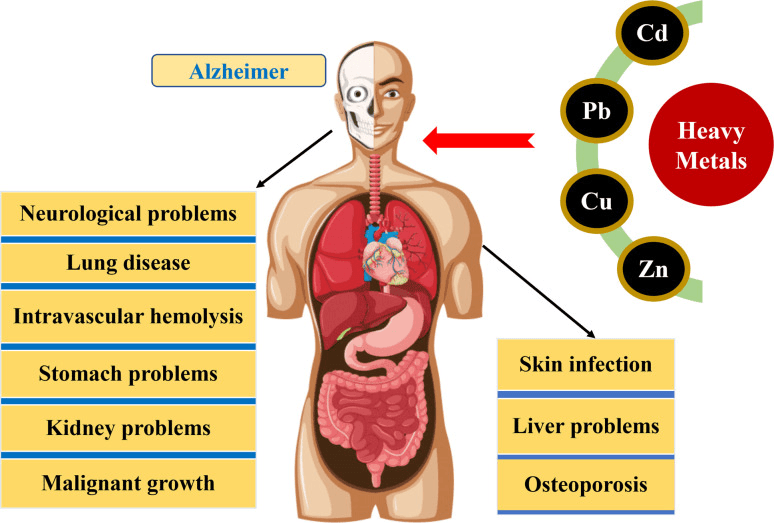
- Heavy metals in water — even in trace amounts—can accumulate in the body over time, affecting neurological and cardiovascular health. The best way to get rid of heavy metals in water is through multi-stage filtration, combining activated carbon water filter, ion exchange, and reverse osmosis for maximum removal efficiency.
- Pharmaceutical residues, pesticides, & endocrine disruptors → Accumulate in the body over time, interfering with:
- Hormonal balance
- Detoxification pathways
- Mitochondrial function
How Common Is Glyphosate in Water Supplies?
Glyphosate, the world’s most widely used herbicide, is one notable example of the chemicals in your tap water.
It’s commonly found in both water supplies and human urine—even among those with no direct occupational exposure.
In the U.S., glyphosate is a primary drinking water contaminant of the federal Safe Drinking Water Act and has a Maximum Contaminant Level Goal (MCLG) of 700 ppb.
However, studies have shown it in 70% of adults in California (2014–2016) and up to 93% of pregnant women in some U.S. regions.
European studies show widespread exposure as well, with 44% prevalence across multiple countries.
Glyphosate isn’t just a contaminant—it’s been classified as a probable human carcinogen by the WHO and is suspected to have neurotoxic effects, potentially impacting hormonal pathways, mitochondrial health, and even brain aging.
Here’s a quick snapshot of how frequently glyphosate shows up in people:
| Location | Timeframe | % with Detectable Glyphosate | Notes |
|---|---|---|---|
| California, USA | 2014–2016 | 70% | General population, increasing trend |
| Indiana, USA | 2015–2016 | 93% | Pregnant women, higher rural exposure |
| Europe (multi-country) | 2013 | 44% | General population, AMPA also detected |
| Germany | 2001–2015 | 31.8% | Peaks in 2013, significant male/female gap |
Why Is Arsenic in Water a Longevity Concern?
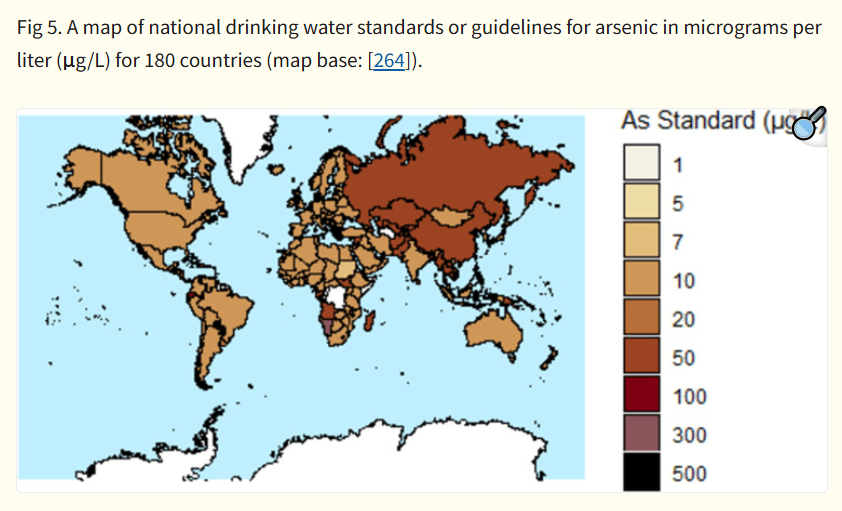
Among heavy metals in water, arsenic in water is a notable concern. It’s naturally occurring but highly toxic at elevated levels.
- The best methods for how to remove arsenic from water include:
- Reverse osmosis
- Activated alumina
- Specialized ion exchange filters
- For alternative filtration options, certain absorption-based methods can remove arsenic from water naturally.
If you’re also concerned about arsenic exposure from food sources, our breakdown of arsenic in rice is worth a read.
What Is in Your Tap Water, and What Is the Best Water to Drink?
Municipal water undergoes extensive treatment before reaching your home, but that doesn’t mean it’s free from harmful substances contributing to accelerated aging. While water treatment chemicals are used to disinfect and purify, they can also introduce unintended contaminants that have negative health consequences.
Some of the most common water treatment chemicals found in municipal supplies include:
- Chlorine and chloramine – Used to kill bacteria and viruses, but they can form disinfection byproducts (DBPs), some of which are linked to oxidative stress and cancer.
- Fluoride – Added to prevent tooth decay, but controversial due to potential neurotoxic effects at high levels. Many people ask, does reverse osmosis remove fluoride? The answer is yes, but not all systems are equally effective.
- Aluminum sulfate and polyaluminum chloride (PAC) – Coagulation chemicals that help remove suspended particles. However, trace amounts of aluminum in water can remain after treatment. The role of aluminum in water treatment is essential for purification, but excessive exposure has been linked to neurological and metabolic concerns.
- Ammonia – Combined with chlorine to form chloramine, which is more stable but harder to remove.
- Phosphates – Added to prevent pipe corrosion, but they can contribute to excess mineral buildup in drinking water.
Even when municipal water meets regulatory limits, these limits are often reactive rather than preventative. Many contaminants remain unregulated, and legal thresholds are set based on short-term exposure risks, not on accelerated aging or longevity.
Get Weekly Insights to Personalize Your Own Longevity Roadmap
What Is the Problem with Standard Water Testing?

Before designing my system, I tested my previous home’s water supply for various contaminants. While the results were useful, I quickly realized that no single test provides a complete picture of what’s actually in your water.
The limitations of water testing include:
- Water tests are incomplete – You have to manually request each contaminant, meaning you’re only testing for what you think might be present.
- Thousands of chemicals aren’t tested for – Many industrial chemicals, pharmaceuticals, and microplastics still lack standardized tests.
- Legal limits aren’t necessarily safe – While municipal water is regulated for heavy metals like lead, arsenic, and mercury, these levels are set to prevent acute toxicity, not to prevent accelerated aging.
What Is the Best Approach to Water Contaminants?
Instead, the most effective strategy is twofold:
- Targeted biomarker testing (like glyphosate, heavy metals, or fluoride) to understand your personal exposure.
- Install a robust filtration system that removes everything you don’t test for—known, unknown, and future contaminants.
TThis is one of the main reasons I decided to install a whole house carbon water filter. Despite eating 99% organic and being extremely mindful of my inputs, I still had detectable levels of glyphosate in my body.
That single test told me more than any water report ever had.
It was a wake-up call that exposure doesn’t just come from food—it comes from water, air, and even shower steam.
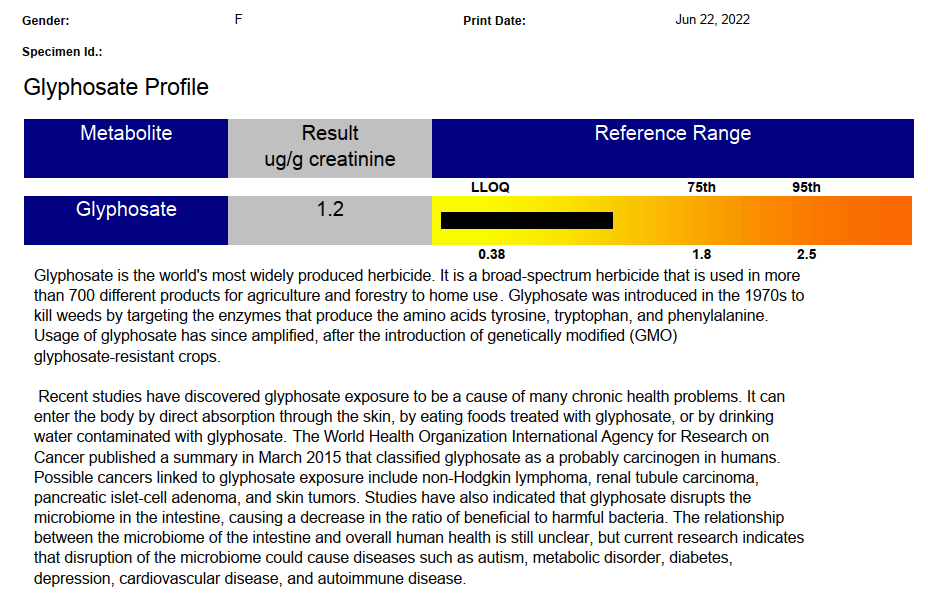
🧪 Want to know your own glyphosate levels? Check your glyphosate levels here. I recommend pairing this with a basic heavy metal panel if you haven’t done one yet.
What Should You Know About Well Water Safety?
Municipal water isn’t the only concern—well water users face an entirely different set of risks. Unlike city water, which is treated and regulated, well water quality depends solely on local geology, nearby industry, and environmental factors. Because it isn’t monitored or disinfected by a municipality, it’s up to well owners to ensure their water is safe.
Some of the most common well water contaminants include:
- Nitrates and nitrites – Often from fertilizers, manure, and septic systems. High levels can cause methemoglobinemia (blue baby syndrome) in infants.
- Pesticides and herbicides – Agricultural runoff can introduce endocrine-disrupting chemicals into well water.
- Bacteria and parasites – Unlike treated municipal water, E. coli, Giardia, and Cryptosporidium can thrive in private wells.
- Heavy metals – Arsenic, lead, and uranium can naturally leach into well water from underground rock formations.
- Volatile Organic Compounds (VOCs) – Found in gasoline, industrial waste, and solvents, VOCs can contaminate groundwater near landfills or industrial sites.
Glyphosate is also a concern for well water users—especially near agricultural zones. While often overlooked in standard tests, pesticide runoff and herbicide drift can easily contaminate private wells. Since glyphosate is water-soluble, it can persist in groundwater and migrate over time.
Because contamination risks change over time, regular testing is even more critical for well water users. Unlike city water, which follows a standard treatment process, well owners are fully responsible for ongoing monitoring and filtration.
For those on well water, the best approach is to invest in a comprehensive filtration system that removes sediments, biological threats (bacteria, parasites) and chemical contaminants (pesticides, heavy metals, VOCs) to ensure safe drinking water year-round.
How Much Water Do You Consume Each Day?
Most people think of drinking water as just what’s in their glass. But daily water exposure goes far beyond that—we use it for:
- Cooking – Boiling pasta, making soups, rinsing produce.
- Food preparation – Washing vegetables, soaking beans, brewing coffee.
- Hygiene – Showering, brushing teeth, steaming clothes.
What many don’t consider is that we don’t just drink water—we absorb it. Steam inhalation, skin absorption, and food preparation all contribute to total exposure to environmental risks that accelerate aging. Over time, that adds up.
What Are the Overlooked Risks of Daily Water Exposure?
- The average person drinks 2-3 liters of water daily, but actual water contact exposure is far higher when considering food preparation and inhalation from showers or steam-based cooking.
- A study by the Environmental Working Group (EWG) found that more than 100 million Americans have tap water containing PFAS (“forever chemicals”), which are linked to hormonal disruption, immune system suppression, and increased cancer risk.
- Bottled water isn’t necessarily safer—a 2023 study detected microplastics in nearly every major bottled water brand tested, raising concerns about plastic exposure.
These findings reinforced my decision to go beyond just filtering drinking water. I needed a system that accounted for total water exposure—not just what I was putting in my glass.
So, I spent months researching, talking to suppliers, manufacturers from different countries and learning what actually works to remove these contaminants.
Get Weekly Insights to Personalize Your Own Longevity Roadmap
How Do Reverse Osmosis Filtration Stages Remove Tap Water Contaminants?
At first glance, buying a reverse osmosis water filter system seems straightforward—you just pick a five-stage filter, and you’re all set.
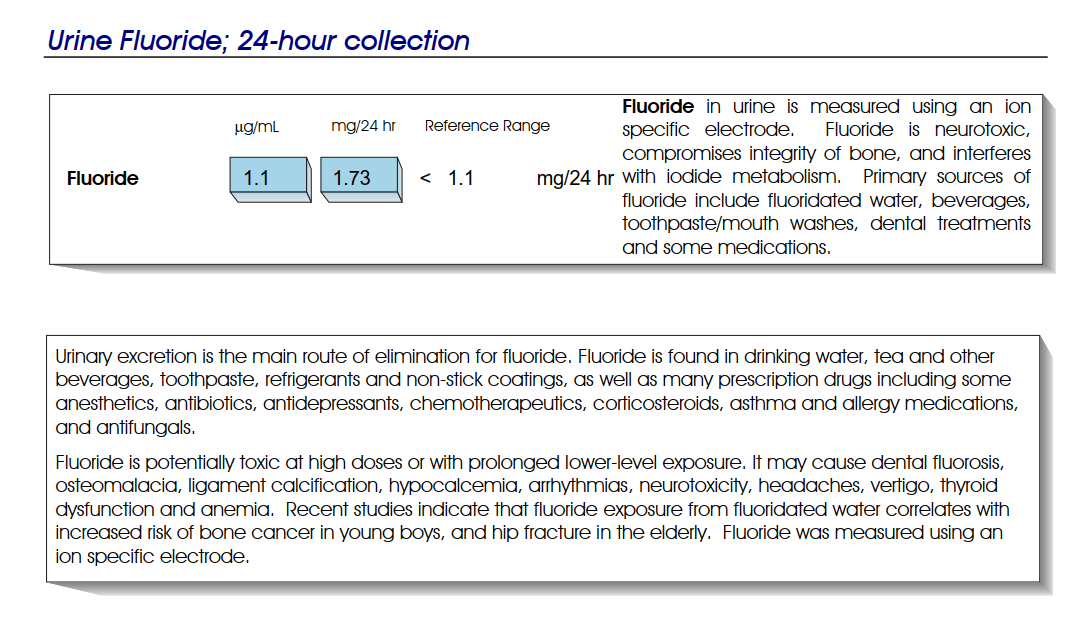
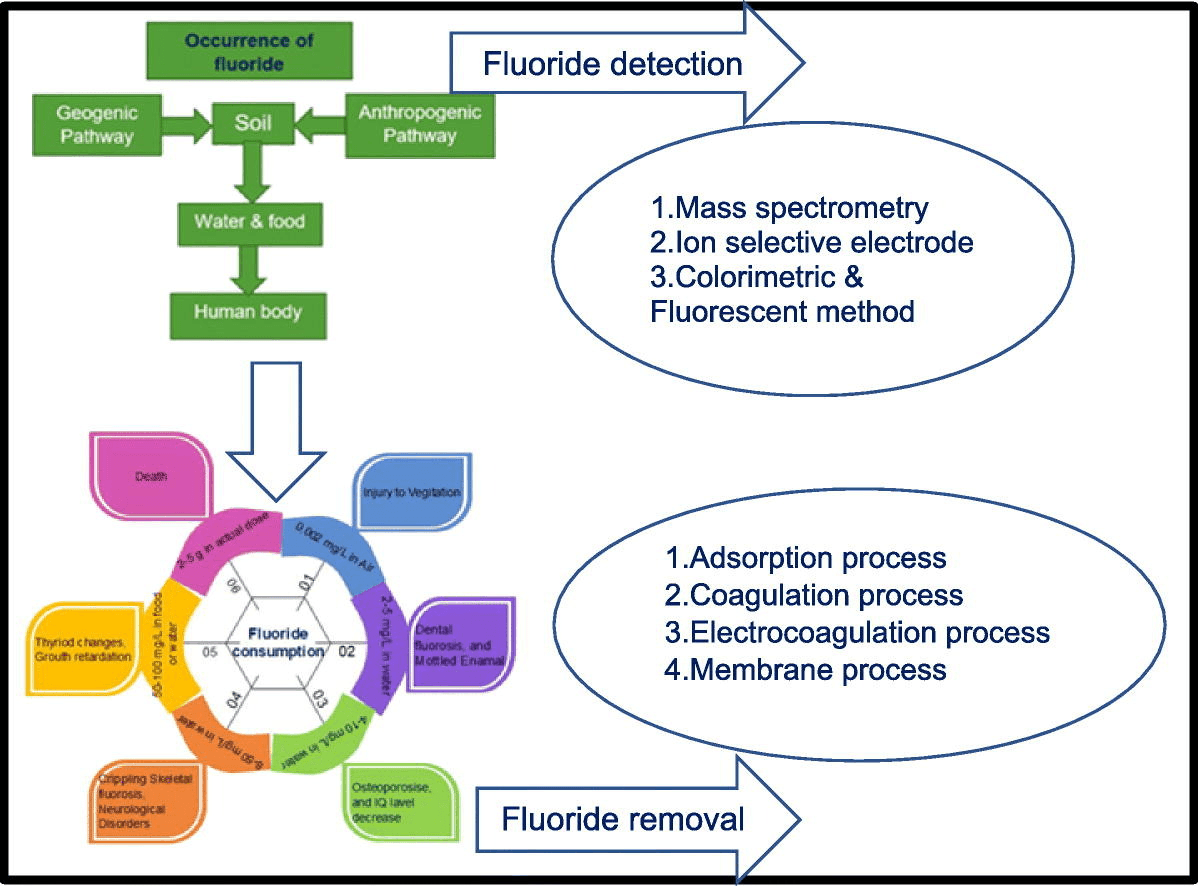
For instance, does reverse osmosis remove fluoride? The answer is yes, but not all RO systems are created equal. Fluoride is widely debated due to its benefits for dental health, yet concerns persist about the side effect of fluoride in water, including potential neurotoxicity at high levels.
💡 Curious about how fluoride impacts your brain, sleep, and longevity? Read our in-depth guide on fluoride’s effects and how to reduce exposure → here.
So, how do you choose the best reverse osmosis water filter for home use?
After digging deeper, I realized that not all RO systems are the same, and even among systems labeled as “five-stage,” there can be huge variations in configuration, included components, and overall filtration performance.
Here’s what I found out:
- Two different five-stage filters can have completely different components inside. Unlike what many assume, there is no industry standard for what constitutes a “stage” beyond the inclusion of an RO membrane. Some manufacturers classify a remineralization or UV stage as the fifth stage, while others prioritize multiple carbon filters for better chemical removal. This means that one five-stage system might skip a Granular Activated Carbon (GAC) pre-filter, making it less effective at removing volatile organic compounds (VOCs), pesticides, and chlorine byproducts.
- Some so-called “five-stage” systems actually have only three physical cartridges. Many manufacturers use inline filters and count them as extra stages to make the system seem more advanced than it really is. For example, instead of providing a true five-stage setup, they might include:
- A single combined sediment + carbon filter instead of two separate stages.
- Two small inline filters (such as a simple post-carbon filter) but still market it as a five-stage system.
The bottom line? Just because a system says “five-stage” doesn’t mean it’s removing everything you expect it to. Understanding how each stage functions was key to designing the right system for my home.
Get Weekly Insights to Personalize Your Own Longevity Roadmap
What Makes a 5-Stage Reverse Osmosis Filter Effective for Home Use?
Through reading about all the different possible RO system configurations from various suppliers all over the US and Europe, I decided that the RO Configuration I wanted:
Stage 1: 5-Micron Sediment Filter – This is the first line of defense, designed to remove large contaminants and physical debris that could clog the system and reduce filtration efficiency in later stages.
- What It Does: Removes sand, dirt, rust, and other suspended solids that may be present in tap water.
- Why It’s Important: Protects the more delicate filtration components, such as the carbon filters and the RO membrane, from premature clogging or damage.
- Why 5 Microns? A 5-micron filter strikes a balance between capturing visible contaminants while maintaining good water flow. If too fine (e.g., 1 micron), it may reduce water pressure; if too coarse, it may not trap enough sediment.
Without this stage, downstream filters would clog quickly, reducing their effectiveness and lifespan.
Stage 2: Granulated Activated Carbon (GAC) Filter – This is the first chemical filtration stage, using loose granules of activated carbon to adsorb and remove chemicals in the drinking water
- What It Does: Removes chlorine, pesticides, herbicides, industrial chemicals, and volatile organic compounds (VOCs).
- Why It’s Important: Chlorine, if left in the water, can damage the RO membrane, reducing its lifespan. This stage preconditions the water before it reaches finer filtration.
- How It Works: Activated carbon has a huge surface area, allowing it to trap and neutralize chemical contaminants through adsorption.

GAC is especially effective for removing chlorine and organic pollutants, but its loose granular structure allows water to flow through quickly, meaning some contaminants may pass through if not given enough contact time. That’s why the next stage is also critical.
Stage 3: Carbon Block Filter (CTO) – This stage acts as a secondary chemical filtration step, removing further toxins from the tap water that the GAC filter missed. Unlike the loose granules in a GAC filter, carbon block filters are made from compressed activated carbon, forcing water through an intricate pore structure.
- What It Does: Traps smaller particulates, chlorine byproducts, VOCs, pharmaceutical residues, and fine organic contaminants.
- Why It’s Important: Ensures that as many chemical contaminants as possible are removed before the water reaches the RO membrane.
- Why Carbon Block? Since water is forced through a dense matrix, it has more contact time with the carbon, increasing the removal efficiency for smaller contaminants that GAC might miss.
This stage is especially effective against disinfection byproducts (such as trihalomethanes), which are formed when chlorine reacts with organic matter in water.
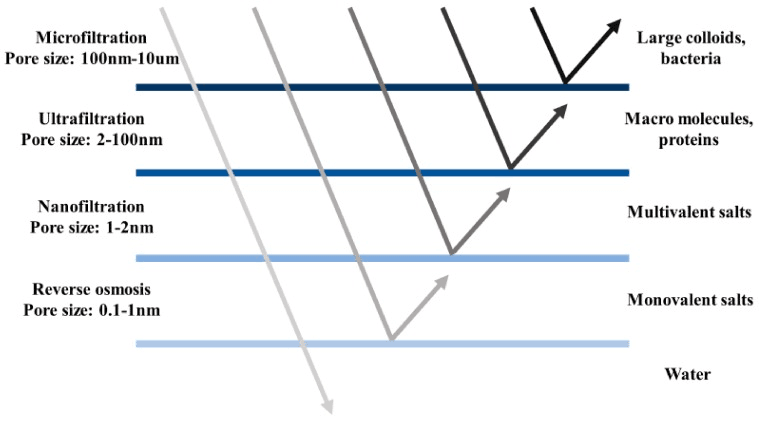
Stage 4: Reverse Osmosis Membrane – This is the core of the system and the most powerful filtration stage. Reverse osmosis (RO) is a process that uses a semi-permeable membrane to remove contaminants at the molecular level. Water is forced through the membrane under pressure, allowing only pure water molecules to pass while blocking a wide range of harmful substances.
Unlike carbon filtration, which primarily removes chemicals and organic compounds, RO effectively eliminates dissolved inorganic contaminants, heavy metals, and microscopic pathogens that carbon filters alone cannot address.
This stage removes:
- Fluoride – Commonly added to municipal water, but excessive exposure has been linked to thyroid and skeletal health concerns.
- Heavy metals – Filters out lead, arsenic, mercury, cadmium, and other toxic metals that can accumulate in the body over time.
- Cysts, bacteria, and viruses – Blocks microbial contaminants such as Giardia, Cryptosporidium, and harmful bacteria, preventing potential waterborne illnesses.
- Dissolved solids – Reduces total dissolved solids (TDS), including salts, nitrates, and pharmaceutical residues that other filtration methods might leave behind.
Stage 5: Coconut-Based Post Carbon Filter – The final filtration stage to remove any residual chemicals in the drinking water.
- What It Does: Removes any lingering taste, odor, or residual chemical traces left after RO filtration.
- Why It’s Important: While RO membranes effectively strip out contaminants, they may leave behind trace amounts of volatile organic compounds (VOCs) and other chemicals that affect taste and odor. The post-carbon filter polishes the water by adsorbing these residual compounds, ensuring the final output is clean, fresh, and free from unwanted tastes or smells—without reintroducing any contaminants.
- Why Coconut Carbon? Coconut shell carbon is known for its superior adsorption properties and improves water’s natural flavor compared to regular carbon sources.
Why Skip Ultraviolet or Remineralization Stages in a Home Filtration Setup?
Some five-stage RO systems include UV sterilization or remineralization as part of their design. These can be useful in certain cases:
- UV Filtration: UV is effective for killing bacteria and viruses, but since municipal water is already disinfected, it isn’t needed in my setup. However, if someone were using well water, a UV stage would be an essential addition.
- Remineralization: Some RO systems include a final stage that adds minerals back into the water after filtration. I don’t see a need for this, as I get minerals through my diet. If I ever wanted remineralization, I would add it as a separate sixth or seventh stage, rather than choosing a system that eliminates an essential carbon filter to make room for it.
For my needs, this five-stage setup offers the best balance between effective contaminant removal, flow rate, and efficiency.
What Are the Differences Between Granular Activated Carbon, Carbon Block, and Catalytic Carbon?
What Do Granular Activated Carbon Filters Remove?
GAC filters contain loose granules of activated carbon, offering a large surface area for adsorption. Because water flows freely through the granules, GAC filters maintain high flow rates, making them ideal for whole-house filtration systems where speed and volume are priorities.
However, GAC filters have a major drawback—water can form channels around the granules, reducing contact time and allowing some contaminants to slip through. This makes them less effective for removing fine particulates and certain chemicals compared to denser filters.
✅ Best for:
- Whole-house filtration systems needing high flow rates.
- Removing chlorine, VOCs, and organic contaminants.
- Improving water taste and odor.
⚠️ Limitations:
- Less effective at removing heavy metals, pesticides, and PFAS.
- Channeling effect can reduce filtration efficiency.
- Requires frequent replacement for optimal performance.
What Do Carbon Block Filters Remove?
Unlike GAC filters, carbon block filters are densely packed, forcing water through tiny pores. This increases contact time, making them far more effective at capturing smaller contaminants like heavy metals, PFAS, and pesticides.
Because carbon block filters physically trap fine particulates, they offer superior contaminant removal but slower flow rates compared to GAC filters. They are also prone to clogging if sediment isn’t removed first.
✅ Best for:
- Removing heavy metals (lead, arsenic, mercury).
- Filtering PFAS, pharmaceutical residues, and pesticides.
- Point-of-use filtration (under-sink, countertop systems).
⚠️ Limitations:
- Slower flow rate compared to GAC filters.
- More prone to clogging if used without a pre-filter.
- Not ideal for high-volume applications (whole-house filtration).
What Do Catalytic Carbon Filters Remove?
Catalytic carbon is an enhanced form of activated carbon that not only adsorbs contaminants but also triggers chemical reactions to break them down. Unlike traditional carbon, catalytic carbon is designed specifically to remove chloramines, which are harder to filter than chlorine.
Get Weekly Insights to Personalize Your Own Longevity Roadmap
This type of carbon is also highly effective at neutralizing hydrogen sulfide (H₂S)—the compound responsible for the “rotten egg” smell found in some well water. Additionally, catalytic carbon excels at removing industrial pollutants that other carbon filters struggle with.
✅ Best for:
- Municipal water with chloramine disinfection.
- Well water with hydrogen sulfide (“rotten egg” smell).
- Removing complex industrial pollutants.
⚠️ Limitations:
- More expensive than standard carbon filters.
- Requires specific conditions for optimal performance.
- Not always necessary unless dealing with chloramines or industrial pollutants.
Which Type of Carbon Filter Should You Use?
The best carbon filter depends on your specific water contaminants and system type:
| Filter Type | Best For | Not Ideal For |
|---|---|---|
| GAC Filters | High-flow whole-house filtration, removing chlorine & VOCs. | Fine particulate removal, heavy metals, PFAS. |
| Carbon Block | Removing heavy metals, PFAS, pharmaceuticals, and pesticides. | Whole-house filtration due to lower flow rate. |
| Catalytic Carbon | Breaking down chloramines, industrial pollutants, and hydrogen sulfide. | Basic chlorine/VOC removal (overkill for standard municipal water). |
💡 Optimal Setup:
The best water filtration systems combine multiple carbon filtration technologies to maximize contaminant removal while maintaining efficiency. For example, a whole-house system might use GAC for pre-filtration while an under-sink system relies on carbon block filters for drinking water purification.
While each has its strengths, the best filtration setups often use a combination of these technologies to maximize contaminant removal and to prevent accelerated aging.
How Do You Build a Whole-House Water Filtration Approach for Longevity?
After learning about different filtration methods, I had to decide how to implement them in my home.
Should I install reverse osmosis water filter at the mains entry to purify all incoming water, or would it be more practical to filter only drinking and cooking water under the kitchen sink?
And if I placed RO under the sink, what about the water for the rest of the house?
Showering, laundry, dishwashing—would those still be contaminated?

Ultimately, I decided on a two-tier system to ensure that both household water and drinking water are treated appropriately, without unnecessary filtration where it isn’t needed.
What Does a Whole-House Carbon Filter and Water Conditioner Do?
The whole house carbon water filter ensures that all water used throughout the house—for showering, dishwashing, and laundry—is free from harmful chemicals while maintaining a practical flow rate.
Since I am on municipal water, I am not overly concerned with sediments or bacterial contamination, as city water is already treated for biological pathogens. However, if I were dealing with well water, my whole-house filtration setup would look different, requiring additional protection against bacteria, parasites, and higher sediment loads.
I also included a whole house water conditioner (water softener) because my water is hard. If someone does not have hard water, a softener stage would not be necessary.
Whole House Carbon Water Filter With Activated Carbon Pellet Water Filtration for Removing Chemicals in Tap Water
- Unlike standard carbon block filters, activated carbon pellets provide a higher adsorption rate, making them more effective at removing contaminants.
- Removes chlorine, pesticides, herbicides, volatile organic compounds (VOCs), industrial solvents, pharmaceutical residues, and disinfection byproducts.
TAC Media-Based Water Whole House Water Conditioner (No Salt, No Chemicals) For Drinking Water
- Traditional water softeners require salt-based regeneration, which adds unnecessary chemicals to the filter system to clean the media for continued efficacy.
- TAC (Template Assisted Crystallization) media is the best whole house water conditioner that prevents scale buildup without introducing or leaching chemicals.
For homes with hard water, installing a whole house water conditioner alongside whole house carbon filter can help prevent mineral buildup and protect appliances while keeping water free from unwanted contaminants.
Why Reverse Osmosis Water Filter Isn’t Ideal for Whole-House Water Filtration

At first, I considered installing a whole-house reverse osmosis water filter system, but after careful evaluation, I realized that it was not the best option for several reasons. Instead, I focused on installing a good whole house carbon water filter that could effectively remove chlorine and volatile organic compounds at the whole home stage.
Why?
- It’s impractical – Reverse osmosis is a slow process that requires a large system to filter enough water for an entire home. A whole-house RO setup would take up significant space and rebuild around the water intake area of the home.
- It’s unnecessary – RO removes nearly everything from water, but do I really need ultra-purified water for washing clothes or flushing toilets? I decided A good whole house carbon water filter with activated carbon pellets (granulated activated carbon) is far more desirable for treating household water chemical toxins for showering and clothes washing purposes.
What Does an Under-Sink Reverse Osmosis Filter Remove?
For the water I drink and cook with, I will install the five-stage reverse osmosis water filter under the kitchen sink.
This is the configuration of my 5 stage Reverse Osmosis Water Filter:
- 10” 5-Micron Sediment Filter – Captures large particles and mechanical impurities to protect downstream filters.
- Granulated Activated Carbon (GAC) Filter – Removes chlorine, pesticides, and organic contaminants, providing a strong first stage of chemical filtration.
- Carbon Block Filter (CTO) – A secondary refinement filter that captures remaining VOCs, chlorine byproducts, and fine particulates.
- Reverse Osmosis Membrane (75 GPD) – The primary filtration stage that removes:
- Fluoride
- Heavy metals (lead, arsenic, mercury, cadmium, etc.)
- Cysts, bacteria, and viruses
- Dissolved solids
- Coconut-Based Post Carbon Filter – A final polishing stage that removes any residual chemical traces, improving taste and odor.
I specifically chose this configuration because most RO systems include a sediment filter and an RO membrane, but they vary in how many carbon filters they have. I think the best reverse osmosis water filter for home must include multiple carbon filtration stages (GAC, CTO, and post-carbon) to remove as many chemical toxins that accelerate aging as possible.
Why Use a Two-Tier Filtration Approach?

This two-tier filtration system is designed to maximize chemical removal across all water I come into contact with—whether it’s the water I drink, cook with, shower in, or use for washing clothes—as part of my broader approach to prevent accelerated aging.
While heavy metals are a concern, I believe the biggest long-term threat in our water is chemicals—both those we know about today and those yet to be identified. New industrial pollutants, pharmaceutical residues, endocrine disruptors, and microplastics are constantly entering the water supply, often before we fully understand their impacts on healthy aging. Since chronic exposure to environmental toxins has been linked to accelerated aging and disease, reducing my overall chemical burden is a critical part of my process for optimizing for longevity.
By using whole-house activated carbon filtration, I ensure that I’m not inhaling or absorbing unwanted chemicals through shower steam, skin exposure, or even through clothing washed in contaminated water. At the same time, my reverse osmosis water filterprovides an additional layer of protection for the water I directly consume, removing as many contaminants as possible before they enter my body.
This setup isn’t just about drinking clean water—it’s about minimizing chemical exposure in every way possible to support cellular function, lower inflammation, oxidative stress, prevent accelerated aging and ultimately, longevity.
Get Weekly Insights to Personalize Your Own Longevity Roadmap
Why Shouldn’t You Rely Only on Water Tests?
Why Can’t Water Tests Detect All Drinking Water Contaminants?
One of the biggest misconceptions about water filtration is the idea that you should base your system only on the results of a water test.
While testing can provide insights into what’s present in your water at a given moment, it does not give the full picture.
Here’s why:
- Water tests show what’s there today, not what could be there tomorrow. Contaminants fluctuate due to changes in infrastructure, seasonal variations, industrial activity, and shifting pollution patterns. A test today won’t account for what might be introduced into the water supply next week or next year.
- Tests don’t account for untested contaminants. There are thousands of synthetic chemicals in circulation, and many of them are unregulated and not routinely screened for. Standard tests typically check for a limited set of pollutants, but they won’t reveal what’s missing from the list.
- Air pollution directly affects water quality. What’s in the air—whether from industrial emissions, wildfire smoke, or agricultural runoff—eventually settles into surface water and aquifers. Many of these contaminants won’t show up on a routine test.
Even if I had a real-time water quality monitor installed at my home’s mains entry, capable of testing for every known contaminant (which, for the record, would require something the size of an industrial lab), I still wouldn’t rely on it.
That’s not to say that water tests are useless—they can provide a snapshot of what’s present, but they don’t tell you what’s not there today but could be there tomorrow.
I do plan to conduct some testing —to compare my raw tap water, the water after whole-house filtration, and the final output from my RO system. But to be clear, this would be my system design regardless of what showed up or didn’t show up in a test.
Why Test Your Body Before Testing Your Water?
If you only run one test—make it urine. It shows what’s actually getting into your body across food, water, and air.
Despite eating 99% organic, I still had detectable glyphosate. That single insight shifted everything—making whole-house filtration non-negotiable.
Once your system’s in place, you can test your water post-filtration to validate it’s doing its job.
→ I use this Glyphosate Urine & Water Test to monitor both.
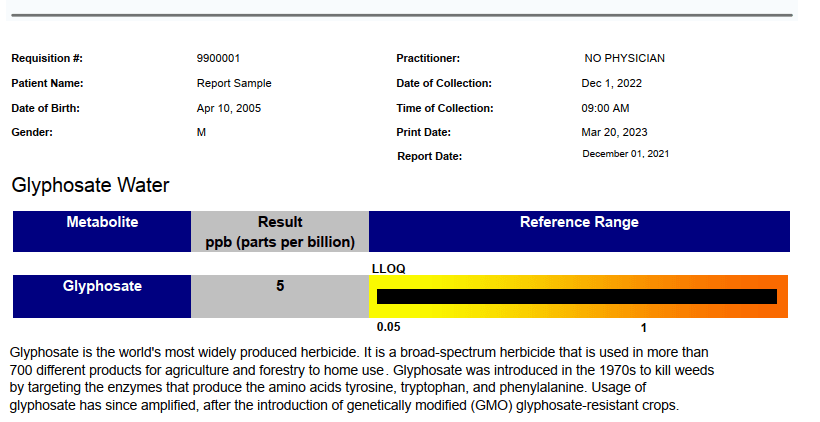
This “test, filter, re-test” feedback loop is the core of my approach—clear data, lower exposure, healthier aging.
✅ Longevity Water Strategy: Your 3 Action Steps
Most people test their water—but that doesn’t tell you what’s getting into your body.
I recommend starting with glyphosate, because it’s one of the most common—and most overlooked—environmental toxins accelerating aging.
I’ve been focused on clean eating for years—and still had measurable glyphosate in the 50 percentile range.
Why Is Glyphosate Testing a Good First Step?
Glyphosate is the world’s most widely used herbicide—and yes, still legal in most countries, including the U.S. and much of Europe. Despite growing concerns, it remains embedded in agriculture, food systems, and water supplies.
Research links glyphosate exposure to:
- Disruption in neurotransmission
- DNA damage
- Increased cancer risk, including:
- Cutaneous melanoma
- Non-Hodgkin’s lymphoma
- Breast, liver, kidney, urinary tract, and thyroid cancers
- Diabetes and obesity
- Neurodevelopmental disorders & Adverse effects on maternal health during pregnancy
Yet despite all these risks, glyphosate hasn’t been banned. The European Union renewed its approval for another 10 years in late 2023. In the U.S., the EPA continues to classify glyphosate as “not likely to be carcinogenic to humans,” though that position is now under legal challenge and review.
That means exposure isn’t rare or accidental—it’s common, even for those who eat organic and live intentionally.
Here’s the 3-Step Longevity Strategy I Follow and Recommend:
Step 1: Test your urine for glyphosate
→ This gives you a real snapshot of your internal exposure.
Step 2: Install a high-quality filtration system
→ I use a two-tier approach: whole-house carbon for total exposure, and under-sink RO for drinking and cooking.
Step 3: Re-test to confirm your strategy is working
→ Test your filtered water to validate your system.
→ Re-test your urine in 3–6 months to track if glyphosate levels are dropping.
💡 This “test, filter, re-test” loop is how I reduce my total toxic load—and help future-proof my health against the kind of chronic exposures that chip away at cellular resilience.
What Does a Complete Water Optimization Approach Include?
This has been a long process—not because filtration itself is complicated, but because the water filtration industry is fragmented, poorly documented, and lacking in transparency. There’s no single, clear source of information, and many manufacturers operate without standardization, making research and system design far more difficult than it should be.
But I’m glad I put in the effort. Beyond just improving my own water quality, this is now a skillset I’ll carry forward — whether in future home builds, new research, or helping others upgrade their water to reduce unnecessary aging risks.
It’s no longer just about what water looks like on paper—it’s about how your environment shows up in your body. And for that, you need both good design and good data.
For now, I’m confident this system is a major win for my health and longevity.
What Additional Water Optimizations Are Worth Considering?
- Structured water – Could molecular structuring improve bioavailability?
- Deuterium-depleted water – Potential mitochondrial benefits?
But for now, this is a massive upgrade. I’ve eliminated the biggest known water-related risk factors for accelerated aging, and it’s time to move on to the next high-impact optimization.
What Is the Best Water to Drink for Longevity?

What’s the best water to drink for longevity? The answer isn’t spring, alkaline, or some marketing gimmick—it’s water that’s free from all current and future contaminants.
🔹 The fewer toxins you consume, the less burden on your body.
🔹 The fewer chemicals you accumulate, the slower you age.
🔹 The right filtration system isn’t just about taste—it’s about cellular health and preventing accelerated aging.
And if you want to know if it’s working? Start with a biomarker—like glyphosate.
Stop Accelerated Aging—Unlock High-Impact Fixes
You eat well, stay active, and prioritize sleep—but longevity isn’t just about checking the right boxes.
Hidden risks, from water toxins to overlooked stressors, could be accelerating aging without you realizing it. Optimizing your environment and eliminating these longevity pitfalls is just as important as diet and exercise.
Want to learn how to prevent accelerated aging with targeted, high-impact fixes?
Get Weekly Insights to Personalize Your Own Longevity Roadmap
FAQ
How to test for glyphosate in well water?
To test well water for glyphosate, you’ll need a specialized lab-based test—standard water test kits usually don’t include it.
Here’s how it works:
1. Collect a water sample using the included vial and instructions (typically from your kitchen tap or directly from the well line).
2. Seal and return the sample to the lab using the prepaid packaging.
3. The lab analyzes the water using sensitive detection methods like ELISA (enzyme-linked immunosorbent assay) or LC-MS/MS to measure parts per billion (ppb) of glyphosate.
4. You receive a digital report showing your glyphosate level and how it compares to typical thresholds or reference ranges.
📦 At-home kits like this glyphosate water test are ideal for private wells or areas near agricultural runoff.
Does a water filter remove heavy metals?
Yes, but not all water filters remove heavy metals. The most effective methods are reverse osmosis (RO), activated carbon, and ion exchange filtration.
Reverse Osmosis (RO) – Removes up to 99% of lead, arsenic, mercury, and cadmium.
Activated Carbon – Reduces some heavy metals but is most effective for chlorine and organic contaminants.
Ion Exchange – Removes lead, mercury, and cadmium by swapping heavy metal ions with safer minerals.
Distillation – Eliminates heavy metals but is impractical for daily use.
To minimize exposure to toxins that accelerate aging, a good whole house water filter uses use a multi-stage system combining reverse osmosis water filter and whole house carbon water filter.
Is aluminum safe in drinking water?
Aluminum in drinking water may pose long-term health risks, including links to Alzheimer’s disease (AD), cognitive decline, and neurological disorders. The EPA’s recommended limit is 0.05–0.2 mg/L, but research suggests even lower exposure may be advisable for brain health and longevity.
Alzheimer’s Disease (AD) – Studies show aluminum accumulation in the brain may contribute to amyloid plaque formation, a key marker of AD.
Neurological Damage – Linked to cognitive decline, memory loss, and reduced brain function.
Bone Disorders – High aluminum levels interfere with calcium absorption, weakening bones over time.
Kidney Stress – Aluminum is excreted through the kidneys, making chronic exposure risky for those with kidney disease.
A good whole house water filter with reverse osmosis water filter or activated carbon filtration can be used to reduce exposure.
What are the chemicals used in water treatment?
Common water treatment chemicals include chlorine, fluoride, aluminum sulfate, sodium hydroxide, and orthophosphates, used for disinfection and water quality control.
Chlorine & Chloramine – Disinfects but may create harmful byproducts.
Ozone & Chlorine Dioxide – Alternative disinfectants.
Lime & Sodium Hydroxide – Adjusts pH and prevents pipe corrosion.
Aluminum Sulfate & Ferric Sulfate – Removes particles and metals.
Fluoride – Added for dental health, though controversial.
Orthophosphates – Prevents lead leaching from old pipes.
Some disinfection byproducts (DBPs) from chlorine may be linked to oxidative stress and aging.
Aluminum sulfate exposure has been studied for potential links to neurological diseases.
💡 Use reverse osmosis water filter or whole house carbon water filter to remove residual chemicals.
What method removes arsenic from water?
The best methods to remove arsenic from water are reverse osmosis (RO), activated alumina, ion exchange, and coagulation-filtration.
Reverse Osmosis (RO) – Removes up to 99% of arsenic, best for home use.
Activated Alumina Filters – Absorbs arsenic effectively, often used in well water treatment.
Ion Exchange Resins – Replaces arsenic with safer ions, common in municipal systems.
Coagulation-Filtration – Used in large-scale water treatment; binds arsenic to particles for removal.
Long-term exposure is linked to oxidative stress, DNA damage, and increased risk of cancers. Chronic arsenic intake can accelerate aging at the cellular level. For protection against arsenic, use a reverse osmosis water filter or activated alumina filter certified for arsenic removal.
What are the 5 heavy metals found in tap water?
The 5 most common heavy metals in tap water are lead, arsenic, mercury, cadmium, and chromium-6, which may contribute to toxicity and accelerated aging.
Lead– Found in old pipes; linked to brain aging and cardiovascular risks.
Arsenic– A groundwater contaminant that damages DNA and accelerates aging.
Mercury– Impairs brain function, detox pathways, and mitochondrial health.
Cadmium– Causes oxidative stress, kidney damage, and weakens bones.
Chromium-6– Industrial pollutant that accelerates oxidative damage.
💡 A good whole house water filter uses reverse osmosis water filter and/or whole house carbon water filter to reduce exposure.
Can you test for glyphosate at home?
Yes, you can test for glyphosate at home using a simple urine or water test kit. These tests are lab-analyzed but collected at home—no clinic visit required. I used this glyphosate urine and water test to measure my own exposure, and it changed how I approached filtration.
Start with urine testing for the most accurate picture of what’s getting into your body—not just your water.
How do you remove glyphosate from well water?
The best way to remove glyphosate from well water is a combination of reverse osmosis (RO) and activated or catalytic carbon filtration.
Reverse osmosis filters glyphosate at the molecular level.
Catalytic or activated carbon improves chemical adsorption and supports broader contaminant removal.
A multi-stage system that includes both RO and carbon filtration is ideal for homes on well water, especially near agricultural zones.
References
- Li J, Aziz MT, Granger CO, Richardson SD. Halocyclopentadienes: An Emerging Class of Toxic DBPs in Chlor(am)inated Drinking Water. Environ Sci Technol. 2022 Aug 16;56(16):11387-11397. doi: 10.1021/acs.est.2c02490. Epub 2022 Aug 8. Erratum in: Environ Sci Technol. 2024 Jul 16;58(28):12754. doi: 10.1021/acs.est.4c06112. PMID: 35938673.
- Allen JM, Plewa MJ, Wagner ED, Wei X, Bokenkamp K, Hur K, Jia A, Liberatore HK, Lee CT, Shirkhani R, Krasner SW, Richardson SD. Drivers of Disinfection Byproduct Cytotoxicity in U.S. Drinking Water: Should Other DBPs Be Considered for Regulation? Environ Sci Technol. 2022 Jan 4;56(1):392-402. doi: 10.1021/acs.est.1c07998. Epub 2021 Dec 15. PMID: 34910457.
- Krupińska I. Aluminium Drinking Water Treatment Residuals and Their Toxic Impact on Human Health. Molecules. 2020 Feb 2;25(3):641. doi: 10.3390/molecules25030641. PMID: 32024220; PMCID: PMC7037863.
- Smith AH, Hopenhayn-Rich C, Bates MN, Goeden HM, Hertz-Picciotto I, Duggan HM, Wood R, Kosnett MJ, Smith MT. Cancer risks from arsenic in drinking water. Environ Health Perspect. 1992 Jul;97:259-67. doi: 10.1289/ehp.9297259. PMID: 1396465; PMCID: PMC1519547.
- Nuvolone D, Stoppa G, Petri D, Voller F. Long-term exposure to low-level arsenic in drinking water is associated with cause-specific mortality and hospitalization in the Mt. Amiata area (Tuscany, Italy). BMC Public Health. 2023 Jan 10;23(1):71. doi: 10.1186/s12889-022-14818-x. PMID: 36627610; PMCID: PMC9832768.
- Frisbie SH, Mitchell EJ. Arsenic in drinking water: An analysis of global drinking water regulations and recommendations for updates to protect public health. PLoS One. 2022 Apr 6;17(4):e0263505. doi: 10.1371/journal.pone.0263505. PMID: 35385526; PMCID: PMC8985943.
- Solanki YS, Agarwal M, Gupta AB, Gupta S, Shukla P. Fluoride occurrences, health problems, detection, and remediation methods for drinking water: A comprehensive review. Sci Total Environ. 2022 Feb 10;807(Pt 1):150601. doi: 10.1016/j.scitotenv.2021.150601. Epub 2021 Sep 28. PMID: 34597567.
- Rehman K, Fatima F, Waheed I, Akash MSH. Prevalence of exposure of heavy metals and their impact on health consequences. J Cell Biochem. 2018 Jan;119(1):157-184. doi: 10.1002/jcb.26234. Epub 2017 Aug 2. PMID: 28643849.
- Hama Aziz KH, Mustafa FS, Omer KM, Hama S, Hamarawf RF, Rahman KO. Heavy metal pollution in the aquatic environment: efficient and low-cost removal approaches to eliminate their toxicity: a review. RSC Adv. 2023 Jun 12;13(26):17595-17610. doi: 10.1039/d3ra00723e. PMID: 37312989; PMCID: PMC10258679.
- Yang Z, Zhou Y, Feng Z, Rui X, Zhang T, Zhang Z. A Review on Reverse Osmosis and Nanofiltration Membranes for Water Purification. Polymers (Basel). 2019 Jul 29;11(8):1252. doi: 10.3390/polym11081252. PMID: 31362430; PMCID: PMC6723865.
- https://www.bethlehem-pa.gov/Water-Sewer-Resources/Public-Information/Lead-Service-Lines
- Balali-Mood M, Naseri K, Tahergorabi Z, Khazdair MR, Sadeghi M. Toxic Mechanisms of Five Heavy Metals: Mercury, Lead, Chromium, Cadmium, and Arsenic. Front Pharmacol. 2021 Apr 13;12:643972. doi: 10.3389/fphar.2021.643972. PMID: 33927623; PMCID: PMC8078867.
- Jackson JS, Rout P. Aluminum Toxicity. [Updated 2024 Oct 26]. In: StatPearls [Internet]. Treasure Island (FL): StatPearls Publishing; 2025 Jan-. Available from: https://www.ncbi.nlm.nih.gov/books/NBK609094/
- Kadhim A, Ben Slima A, Alneamah G, Makni M. Assessment of Histopathological Alterations and Oxidative Stress in the Liver and Kidney of Male Rats following Exposure to Aluminum Chloride. J Toxicol. 2024 Jul 12;2024:3997463. doi: 10.1155/2024/3997463. PMID: 39035854; PMCID: PMC11259504.
- Wei H, Li D, Luo Y, Wang Y, Lin E, Wei X. Aluminum exposure induces nephrotoxicity via fibrosis and apoptosis through the TGF-β1/Smads pathway in vivo and in vitro. Ecotoxicol Environ Saf. 2023 Jan 1;249:114422. doi: 10.1016/j.ecoenv.2022.114422. Epub 2022 Dec 13. PMID: 36521267.
- Nicomel NR, Leus K, Folens K, Van Der Voort P, Du Laing G. Technologies for Arsenic Removal from Water: Current Status and Future Perspectives. Int J Environ Res Public Health. 2015 Dec 22;13(1):ijerph13010062. doi: 10.3390/ijerph13010062. PMID: 26703687; PMCID: PMC4730453.
- U.S. Environmental Protection Agency. (n.d.). Stage 1 and Stage 2 disinfectants and disinfection byproducts rules. U.S. Environmental Protection Agency. Retrieved February 15, 2025, from https://www.epa.gov/dwreginfo/stage-1-and-stage-2-disinfectants-and-disinfection-byproducts-rules
- City of Bethlehem. (n.d.). Lead service lines. City of Bethlehem. Retrieved February 15, 2025, from https://www.bethlehem-pa.gov/Water-Sewer-Resources/Public-Information/Lead-Service-Lines